Tidy cockpit for safe flight
Source: Airbus Safety First URL: https://safetyfirst.airbus.com/tidy-cockpit-for-safe-flight/ Published: 2015-01-25 Category: Flight Ops, clean, cockpit, ipad, object, tablet, tidy PDF: Original PDF

One would not normally think of everyday life objects, apparently as inoffensive as a pen or a cup of coffee, as being a real threat to the safe operation of a commercial flight. Yet, leaving them unsecured or forgotten in a cockpit could rapidly turn them into real trouble makers…
Check the latest version of this article on safetyfirst.airbus.com and on the Safety first app for iOS and Android devices.
The “Clean cockpit” philosophy
Section titled “The “Clean cockpit” philosophy”At the beginning of 2014, the crew of a cruising A330 and their passengers unintentionally lived a new flying experience at negative g by night… The culprit? A digital camera left between the Captainʼs side stick and the seat arm rest that led to inadvertent nose down inputs as the PF seat was adjusted forward.
LOOSE ITEMS IN THE COCKPIT: UNINVITED GUESTS!
Section titled “LOOSE ITEMS IN THE COCKPIT: UNINVITED GUESTS!”Common sense generally instructs anyone in a cockpit to maintain an orderly environment.
However, over the past decade, serious incidents involving unsecured or forgotten items have continued to happen. For the most part, being complacent is not intentional. It just happens. But in view of the possible consequences, truly the cockpit must remain clean and tidy at all times during flight.
The resulting consequences
Section titled “The resulting consequences”Investigations into the cited 2014 event showed that the camera had been left unsecured between the Captainʼs side stick and the seat arm rest, such that when the pilot moved his seat forward, it pushed the camera forward too, and eventually, the side stick.
The aircraft dutifully answered this side stick motion and abruptly pitched its nose down for around 20 seconds, reaching a maximum 15 000 feet a minute descent rate. When the aircraft entered this steep descent, the Captain was alone in the cockpit, in a night environment; therefore these 20 seconds were necessary indeed for him to analyse the situation properly, remove the camera, and eventually recover by pulling the stick back and stabilizing the aircraft at a safe attitude.
4 000 feet were lost in altitude during the dive, after which the flight continued uneventfully, but a few passengers and crew members were injured in the process.
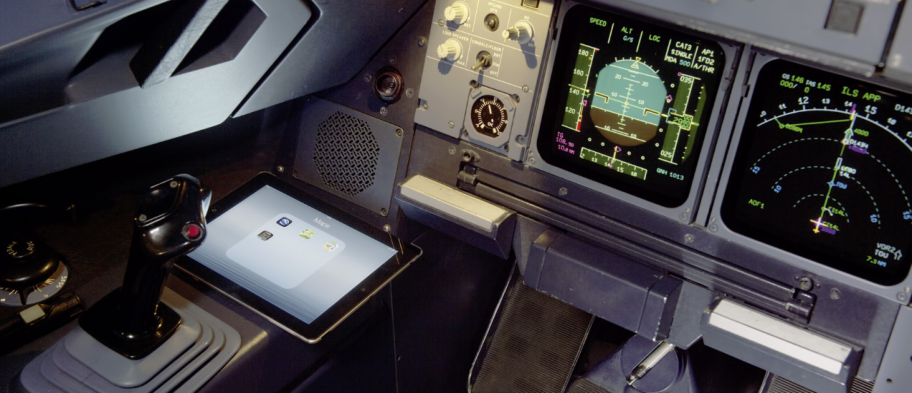
This event is just one in too many operational incidents over recent years where a loose item left unsecured or forgotten in the cockpit is involved. The following incident summaries for example, illustrate some common – and preventable – scenarios related to unsecured or forgotten items:
-
During an aircraft landing, the roll-out jerks caused the pilotʼs cap to fall off right onto the Park Brake handle because it was hung too loosely. A jump seat rider present in the cockpit at that time, was quick to react and while attempting to secure the hat, he inadvertently turned the Park Brake handle and set it ON. This obviously led to a rather abrupt stop and the aircraft tires to burst. Thankfully no one was injured in this event.
-
On another aircraft in cruise, documentation that had been left on the center pedestal moved and interfered with the rudder trim knob. This resulted in a sudden rudder movement and unexpected aircraft yaw, from which the pilot managed to recover. Again thankfully no one was injured.
Other common situations are regularly heard of:
Section titled “Other common situations are regularly heard of:”-
Coffee cups placed on the glare shield or pedestal: unexpected turbulence or unintentional bumping by the crew causes fluid to be spilled onto the cockpit control panels. Beverage spill onto electronic equipment may not necessarily have an immediate effect on the flight, but at best, it can lead to an early and expensive overhaul of the equipment.
-
Books placed on the glare shield or pedestal: these fall off and may operate some switches or pushbuttons, such as a fuel lever being pushed off, or even de-select a radio frequency.
-
Forgotten pens, cutlery (during meals) or clipboards: as small as they can be, they can get jammed in the controls – typically the rudder pedals – when they fall on the floor and move during flight.
Each one of the above incidents must serve as important reminders of the critical need to ensure that items are properly stowed and secured before AND during flight.
Section titled “Each one of the above incidents must serve as important reminders of the critical need to ensure that items are properly stowed and secured before AND during flight.”The culprits
Section titled “The culprits”| The culprits | The culprits | ||
|---|---|---|---|
| Establishing an exhaustive list of all | potential candidates that may interfere | ||
| with the controls would be too long and ineffective. These items can include | |||
| non-aviation-related Portable Electronic Devices such as personal cell | |||
| phones | or laptops; and personal items such as clothing or carry-on items. | ||
| Following are the most common objects that can be found unsecured or | |||
| forgotten in a cockpit: | |||
| ● | iPad | ||
| ● | Laptop | ||
| ● | Cell phone | ||
| ● | Digital camera | ||
| ● | Spectacles and sunglasses | ||
| ● | Scattered papers | ||
| ● | Pen | ||
| ● | Clipboards | ||
| ● | Meal tray | ||
| ● | Coffee or any beverage cup | ||
| ● | Pocket calculator | ||
| ● | Lighter |
This list could be longer, but it gives an idea of the kind of common equipment likely to create hazards when left loose in a cockpit.
The aircraft cockpit ergonomics are designed to be as robust as possible against these kinds of threats. Where relevant, Airbus has developed modifications to prevent the ingestion of foreign objects into the controls. The flap lever mechanism for instance is protected by a brush covering the lever slot, thus efficiently preventing foreign objects from ingress.
However, even a perfectly well-designed cockpit can never be fully protected against the malicious behaviour of unsecured objects. For this reason, prevention is essential and discipline in the cockpit is paramount.
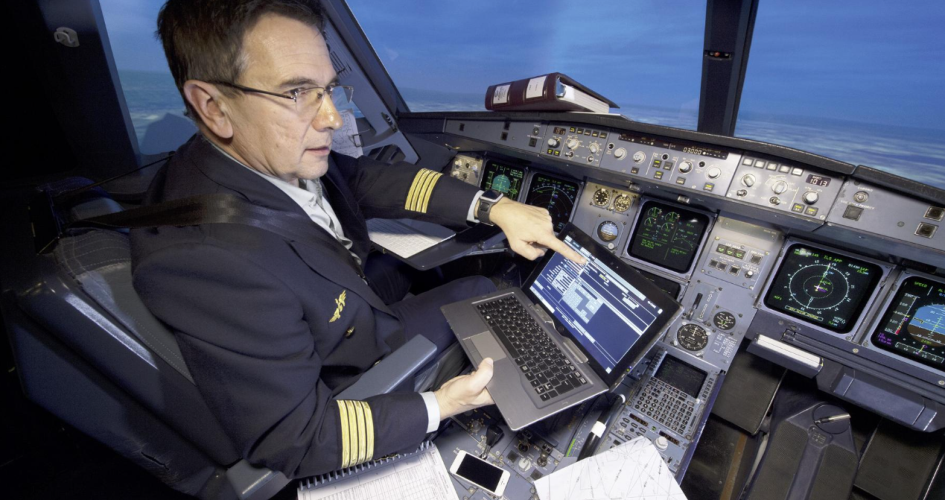
PREVENTION: A PLACE FOR EVERYTHING, AND EVERYTHING IN ITS PLACE…
Section titled “PREVENTION: A PLACE FOR EVERYTHING, AND EVERYTHING IN ITS PLACE…”The 2014 event could have resulted in far worse consequences, had the aircraft been at a lower altitude. This was a strong reminder to the flight crew that they should never under-estimate the potential for harm of everyday life objects, when left unsecured!
In fact, the solution against such events lies in one word: discipline.To help efficiently curb the number of operational incidents involving a loose item in the cockpit, pilots need to be vigilant and ordered.
First, items that are brought in a cockpit must be put and stowed in their dedicated compartment:
-
Cups in the cup holders.
-
Headsets not in use, on the hook stowage.
-
Books and paper, if any, in the lateral stowage.
-
Trash in the waste bin in the lateral console.
-
Meal trays on the floor behind the flight crew. The flight attendants should collect the meal trays as soon as possible.
-
Personal equipment properly secured in the various stowage areas. The Pilot Pocket in particular, is the answer to where to stow valuable items such as a portable GPS or cell phone.
-
Flight bags should be kept closed after obtaining whatever was necessary.
Then, we encourage flight crews to incorporate the following simple checks in their preflight actions in order to ensure their working environment is well secured for a flight:
-
Inspect the cockpit for forgotten or misplaced items before take-off and ensure all are properly secured and isolated from other equipment in the cockpit. This also helps assure their availability throughout the flight.
-
Make sure all your personal items such as hats and jackets, iPads or luggage are secured.
-
If necessary, remind jump seat riders not to create distractions and to adopt the same measures and same discipline against unsecured items.
And maintain this attitude and level of alertness prior to AND during flight, putting a particular emphasis on the preparation for the approach phase during the approach briefing prior to descent.
| Contributors: | Loose items in a cockpit environment are not welcome: they can |
|---|---|
| Xavier BARRIOLA | too easily drive a crew into a hazardous, and yet easily |
| Director Flight Safety – | preventable, operational situation. |
| And just remember: a place for everything, and everything in its | |
| place… |
Safety first, 2015. Safety first is published by Airbus S.A.S. 1, rond point Maurice Bellonte - 31707 Blagnac Cedex/France.
Editor: Yannick Malinge, SVP AViation Safety.
Photos by Airbus.
来源:Airbus Safety First 网址:https://safetyfirst.airbus.com/tidy-cockpit-for-safe-flight/ 发布日期:2015-01-25 分类:飞行运营、清洁、驾驶舱、平板电脑、物品、平板、整洁 PDF:原始 PDF
人们通常不会想到,日常生活中那些明显无害的物品,如一支笔或一杯咖啡,会对商业航班的安全运营构成真正的威胁。然而,如果任由它们在驾驶舱内散落或被遗忘,它们很快就会变成真正的麻烦制造者……
请在 safetyfirst.airbus.com 及 iOS 和 Android 设备的 Safety first 应用上查看本文最新版本。
“整洁驾驶舱”原则
Section titled ““整洁驾驶舱”原则”2014 年初,一架处于巡航阶段的 A330 机组人员和乘客经历了一次前所未有的夜间负重力飞行体验……罪魁祸首?一部被放在机长侧杆和座椅扶手之间的数码相机。当操纵飞行员座椅前移时,这部相机导致了非故意的低头输入。
驾驶舱内的散落物品:不速之客!
Section titled “驾驶舱内的散落物品:不速之客!”常识通常会提醒驾驶舱内的任何人员保持有序的环境。
然而,在过去十年中,涉及未固定或被遗忘物品的严重事故仍然持续发生。在大多数情况下,这并非有意为之,只是意外发生。但考虑到可能造成的后果,驾驶舱在飞行过程中必须始终保持整洁。
对 2014 年该事件的调查显示,相机被放置在机长侧杆和座椅扶手之间且未固定。当飞行员前移座椅时,相机被向前推动,最终带动了侧杆。
飞机忠实地响应了侧杆的移动,猛然向下低头约 20 秒,最大下降率达到了每分钟 15000 英尺。当飞机进入这一急剧下降时,机长独自在驾驶舱内,处于夜间环境;因此,这 20 秒对于他分析情况、移除相机、最终拉回侧杆并使飞机恢复稳定姿态确实是必要的。
俯冲过程中损失了 4000 英尺高度,随后航班继续正常飞行,但在这一过程中有少数乘客和机组人员受伤。
这类事件只是近年来涉及驾驶舱内未固定或被遗忘物品的众多事故中的一个。以下事故摘要举例说明了一些常见的——且可预防的——与未固定或被遗忘物品相关的场景:
-
在一次飞机着陆期间,滑跑时的颠簸导致飞行员的帽子掉落,恰好落在驻机制动(Park Brake)手柄上,因为帽子挂得太松了。当时在驾驶舱内的一名加座人员反应迅速,在试图固定帽子时,不小心将驻机制动手柄扳至“接通”位置。这显然导致了相当急促的刹车和飞机轮胎爆胎。值得庆幸的是,此事件中无人受伤。
-
另一架飞机在巡航阶段,放在中央控制台上的文档资料发生移动,干扰了方向舵配平旋钮。这导致突然的方向舵移动和意外的飞机偏航,飞行员设法从中改出。同样值得庆幸的是,无人受伤。
其他常见情况也时有发生:
Section titled “其他常见情况也时有发生:”-
咖啡杯放在遮光板或操纵台上:意外颠簸或机组人员无意间的碰触会导致液体泼洒到驾驶舱控制面板上。饮料泼洒到电子设备上未必会立即对飞行产生影响,但最多会导致设备提前进行昂贵的大修。
-
书籍放在遮光板或操纵台上:书籍会掉落,可能触发某些电门或按钮,例如燃油杆被拨动移位,甚至取消无线电频率选择。
-
忘记收好的钢笔、餐具(进餐期间)或写字板:尽管体积很小,但掉落时卡在控制装置中——通常是方向舵脚蹬——并在飞行过程中移动,可能会引发问题。
上述每一事件都重要地提醒我们:必须在飞行前和飞行中确保物品妥善存放和固定。
Section titled “上述每一事件都重要地提醒我们:必须在飞行前和飞行中确保物品妥善存放和固定。”| 肇事者 | 肇事者 | ||
|---|---|---|---|
| 建立一份可能干扰控制装置的所有 | 潜在物品的详尽清单既冗长又无效。这些物品可能包括 | ||
| 非航空类便携式电子设备,如个人手机 | |||
| 或笔记本电脑;以及个人物品,如衣物或随身行李。 | |||
| 以下是驾驶舱中最常见的未固定或遗忘的物品: | |||
| ● | iPad | ||
| ● | 笔记本电脑 | ||
| ● | 手机 | ||
| ● | 数码相机 | ||
| ● | 眼镜和太阳镜 | ||
| ● | 散落的纸张 | ||
| ● | 钢笔 | ||
| ● | 写字板 | ||
| ● | 餐盘 | ||
| ● | 咖啡杯或任何饮料杯 | ||
| ● | 便携式计算器 | ||
| ● | 打火机 |
这份清单可以更长,但它给出了当这些常见设备在驾驶舱内松散放置时可能造成危害的概念。
飞机驾驶舱的人体工程学设计已尽可能抵御这类威胁。空客在相关领域已开发了防止外来物进入控制装置的改装。例如,襟翼操纵机构通过操纵杆槽口的刷式防护罩进行保护,从而有效防止外来物进入。
然而,即使设计完美的驾驶舱也无法完全防护未固定物品的不当行为。因此,预防至关重要,驾驶舱内的纪律是关键。
预防:物归其位,位尽其用……
Section titled “预防:物归其位,位尽其用……”2014年的这起事件如果发生在更低的高度,后果可能会更严重。这是对飞行机组的一次强烈提醒:日常生活中看似无害的物品,一旦未加固定,绝不应被低估其潜在危害!
事实上,应对这类事件的方法只有一个词:纪律。为了有效减少驾驶舱内松散物品导致的运行事故,飞行员需要保持警惕和有序。
首先,携带进入驾驶舱的物品必须放置并存放在其指定位置:
-
杯子放在杯架中。
-
不使用的耳机挂在挂钩存放处。
-
书籍和纸张(如有)放在侧向储物空间。
-
垃圾放在侧向控制台内的废物箱中。
-
餐盘放在机组后方的地板上。乘务员应尽快回收餐盘。
-
个人设备妥善固定在各种储物区域。特别是飞行员口袋,是存放便携式GPS或手机等贵重物品的答案。
-
取完所需物品后,飞行包应保持关闭。
然后,我们鼓励飞行机组在起飞前的准备工作检查中纳入以下简单检查项目,以确保其工作环境在飞行前已妥善固定:
-
在起飞前检查驾驶舱是否有遗忘或错放的物品,并确保所有物品妥善固定并与驾驶舱内其他设备隔离。这也确保了它们在整个飞行过程中的可用性。
-
确保所有个人物品(如帽子、外套、iPad或行李)均已固定。
-
如有需要,提醒观察员不要制造干扰,并对其采取与机组相同的措施和纪律,防止物品未固定。
并在飞行前和飞行中保持这种态度和警觉水平,尤其在下降前的进近简令中,在进近阶段准备方面给予特别强调。
| 贡献者: | 驾驶舱环境中的松散物品不受欢迎:它们极易导致机组陷入危险且本可轻松预防的运行状况。 |
|---|---|
| 泽维尔·巴里奥拉 | |
| 飞行安全总监 | - |
Safety first,2015年。Safety first由空中客车股份有限公司出版。地址:1, rond point Maurice Bellonte - 31707 Blagnac Cedex/法国。
编辑:扬尼克·马兰格,航空安全高级副总裁。
照片由空客提供。