Lithium batteries: safe to fly?
Source: Airbus Safety First URL: https://safetyfirst.airbus.com/lithium-batteries-safe-to-fly/ Published: 2016-01-29 Category: Cabin Ops, Flight Ops, Ground Ops, Maintenance, batteries, battery, cabin, Cargo, cells, fire, lithium, overheat, PED, smoke, thermal PDF: Original PDF

This article has been updated in July 2025. It was initially published in January 2016.
Today, lithium batteries play a barely visible, yet essential role in both our daily life and aviation alike. Manufactured and handled correctly, lithium batteries are safe. But production failures, mishandling, or not being aware of their specific characteristics can have serious repercussions.
Lithium batteries are todayʼs power source of choice. As we become ever more reliant on Portable Electronic Devices (PEDs) to provide at your fingertips information, entertainment and communication, then so increases the demand for more powerful, yet lighter, sources of power.
Hundreds of millions of lithium batteries or equipment with lithium batteries are carried on aircraft annually. These can be as part of passengers carry-on items, as aircraft or aircrew equipment. Lithium batteries can also be shipped as cargo. They are becoming continually more commonplace in the aircraft environment.
But the introduction of lithium batteries included some highly visible cases of cell phones, power banks or laptops self-igniting and burning. Likewise, several events have occurred on aircraft, ranging from localized and limited fires to large, uncontrolled in-flight fires resulting in hull losses and even fatalities on cargo aircraft.
The air industry has become more aware of the specific characteristics of lithium batteries, and the associated risks can now be mitigated. Procedures have been developed to address the risks for lithium batteries being part of the aircraft design, those belonging to passengers or crews carry-on items, or indeed procedures linked to the shipping of lithium batteries as cargo.
LITHIUM BATTERIES: A POWERFUL AND VERSATILE TECHNOLOGY, ASSOCIATED WITH A RISK
Section titled “LITHIUM BATTERIES: A POWERFUL AND VERSATILE TECHNOLOGY, ASSOCIATED WITH A RISK”Lithium is the metal with the lowest density, but with the greatest electrochemical potential and energy-to-weight ratio, meaning that it has excellent energy storage capacity. These large energy density and low weight characteristics make it an ideal material to act as a power source for any application where weight is an issue, aircraft applications being a natural candidate.
Lithium: an increasing use
Section titled “Lithium: an increasing use”Experimentation with lithium batteries began in 1912 and the first lithium batteries were sold in the 1970ʼs. In the nineties, lithium battery technology began to be widely used by a number of industries that were looking for light, powerful and durable batteries.
As it turns out, lithium use in batteries has been one of the major drivers of lithium demand since the rechargeable lithium-ion battery was invented in the early nineties.
Lithium batteries have progressively replaced previous technology batteries – e.g. Nickel-Cadmium, Lead-acid – and can be found in most electronic and autonomous electric systems or equipment. Development and applications are evolving with latest uses including ultra-thin (down to 0.5 mm) and flexible technologies.
The lithium battery market is extremely dynamic and expanding fast, with a growing application as the power source for a wide range of electric vehicles. In fact, no level off is foreseen in the coming years.
Different types
Section titled “Different types”Lithium batteries can take many forms. They can be as tiny as single cell button batteries – for example used as power supply for watches – or multi cells (usually rechargeable) batteries that can act as high power energy sources for electric vehicles, or indeed as back-up power supply on-board aircraft (fig.1).
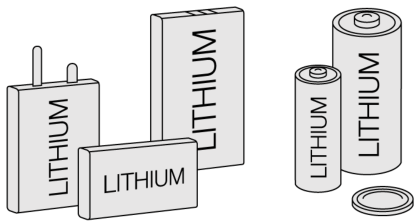
(fig.1) Types of lithium batteries: single / multi-cells
Different technologies
Section titled “Different technologies”The term “lithium battery” actually refers to a family of batteries that can be divided into two categories:
● Lithium-metal, non-rechargeable batteries
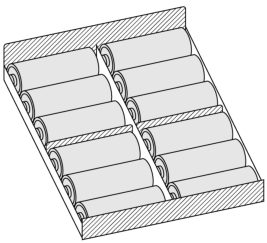
Section titled “● Lithium-metal, non-rechargeable batteries”(fig. 2) Non-chargeable lithium-metal batteries
These include coin or cylindrical batteries used in calculators, digital cameras and emergency (back-up) applications for example ( fig.2).
Lithium-metal batteries have a higher specific energy compared to all other batteries, as well as low weight and a long shelf and operating life.
● Lithium-ion / lithium-polymer rechargeable batteries
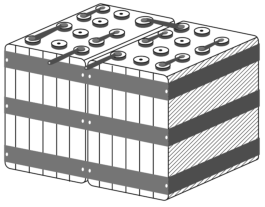
Section titled “● Lithium-ion / lithium-polymer rechargeable batteries”Key current applications for this type of batteries are in powering cell phones, laptops or other hand held electronic devices, as well as electric/hybrid cars and power banks (fig.3).
(fig.3) Rechargeable lithium-ion / lithium-polymer batteries
The advantages of the lithium-ion or lithium-polymer battery are its ability to be recharged in addition to its higher energy density and lighter weight compared to nickel-cadmium and nickel-metal hybrid batteries.
One Main Risk: the Thermal Runaway
Section titled “One Main Risk: the Thermal Runaway”Although previous battery technologies were not risk-free, lithium based batteries have a larger electrochemical potential; therefore if damaged, mishandled or poorly manufactured, they can suffer stability issues and be subject to what is called a “ thermal runaway ”. This phenomenon is well recognized now, and it can be mitigated providing awareness and prevention actions are taken.
A self-ignited and highly propagative phenomenon
Section titled “A self-ignited and highly propagative phenomenon”In case of internal degradation or damage, a battery cell rapidly releases its stored energy (potential and chemical) through a very energetic venting reaction, which in turn can generate smoke, flammable gas, heat (up to 600°C and 1500°C locally), fire,
explosion, or a spray of flammable electrolyte. The amount of energy released is directly related to the electrochemical energy stored (state of charge) and the type of battery (chemical and design).
Both the primary and secondary types of batteries are capable of self-ignition and thermal run away. And once this process is initiated, it easily can propagate because it generates sufficient heat to induce adjacent batteries into the same thermal runaway state.
Lithium batteries can be both a source of fire through self-ignition and thermal runaway, and a cause of fire by igniting surrounding flammable material.
Consequences of a thermal runaway
Section titled “Consequences of a thermal runaway”The phenomenon of thermal runaway in an aircraft environment can be catastrophic. At the least it can range from limited degradation of personal equipment, or minor damage to the overhead storage compartment (fig.4). In the worst situation, thermal runaway in a high density package of lithium batteries can result - and has been implicated - in hull losses.
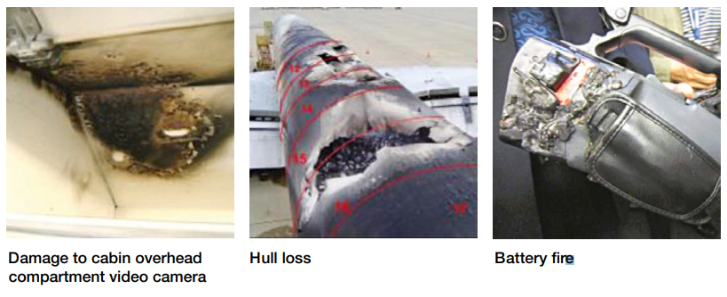
(fig.4) Consequences of lithium batteries thermal runaway
FAA tests showed that even a small number of overheating batteries emit gases that can cause explosions and fires, that cannot be suppressed by traditional fire suppression systems. In view of the possible consequences, lithium batteries are classified as hazardous materials, therefore particular care and consideration must be taken to ensure safe operations in relation to use and transport of lithium batteries (or devices containing lithium batteries) when in an aircraft environment.
INSIGHT INTO THE THERMAL RUNAWAY PHENOMENON
Section titled “INSIGHT INTO THE THERMAL RUNAWAY PHENOMENON”A thermal runaway consists in an uncontrolled energy release. It refers to a situation where an increase in temperature changes the conditions in a way that causes a further increase in temperature, often leading to a destructive result.
In multi-cell batteries, the thermal runaway can then propagate to the remaining cells, potentially resulting in meltdown of the cell or a build-up of internal battery pressure resulting in an explosion or uncontrolled fire of the battery.
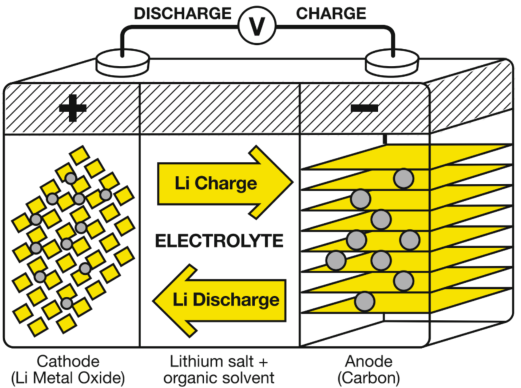
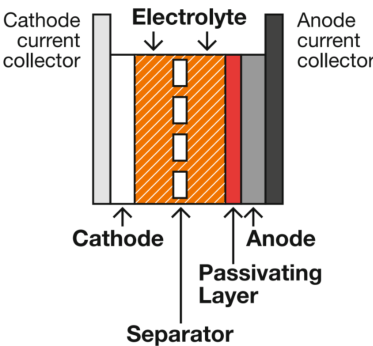
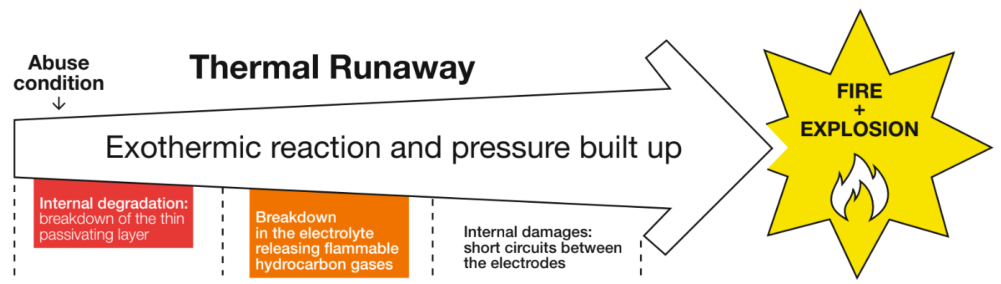
The main factors contributing to a thermal runaway are:
Section titled “The main factors contributing to a thermal runaway are:”-
Poor design or poor integration
-
● Poor cell or battery manufacturing quality ● Poor safety monitoring or protection
-
Poor handling / storage / packing conditions
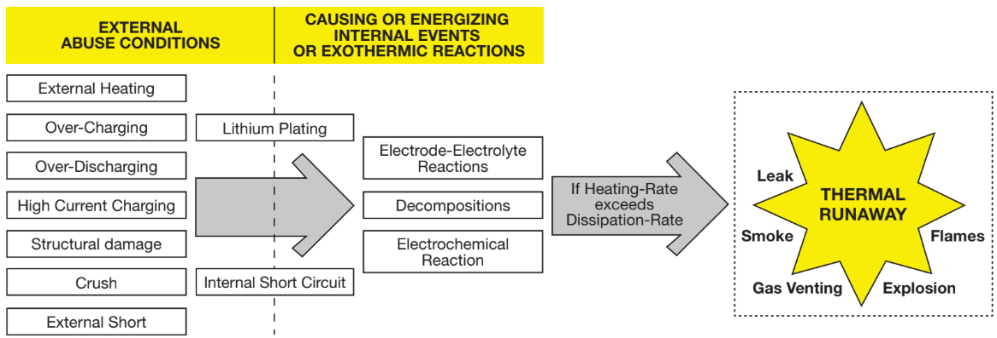
A Significant Risk Exposure
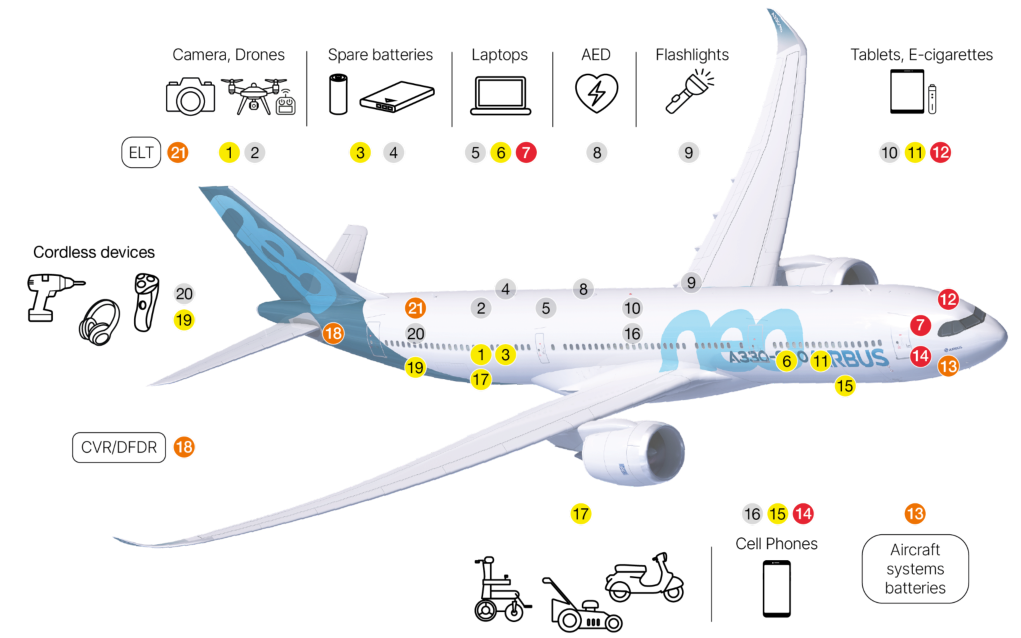
Section titled “A Significant Risk Exposure”By their nature and properties, large numbers of lithium batteries can be found in many places on-board an aircraft (fig.5) :
-
In the cabin among the personal electronic devices of crews and passengers
-
In the cockpit as part of tablets used for flight data support
-
In the cargo holds carried as cargo or in passengers baggage
-
In the aircraft design.
(fig.5) Lithium batteries on-board an aircraft
Between March 3rd, 2006 and April 30th, 2025, the FAA has recorded 617 verified incidents involving lithium batteries carried on passenger aircraft and cargo aircraft according to the FAA report on “Lithium Battery air Incidents involving smoke, fire, ” or extreme heat.
PERMANENTLY INSTALLED LITHIUM BATTERIES
Section titled “PERMANENTLY INSTALLED LITHIUM BATTERIES”Mitigating the risks posed by lithium batteries and preventing a thermal runaway or a fire starts with securing the batteries that are part of the aircraft design. In this respect, the lithium batteries embedded in the aircraft design are subject to strict development and integration requirements, complying with the highest safety standards. The intrinsic risk of this new generation of lithium based batteries is acknowledged at all levels of the aircraft design phase, as early as from the inception of the product and its systems. It is then mitigated thanks to acceptability justification based on each battery location, and a thorough review of installation, ensuring that no heat source and hazardous material or fluids are in the vicinity.
Only use Original Equipment Manufacturer (OEM) Parts
Section titled “Only use Original Equipment Manufacturer (OEM) Parts”During an aircraftʼs service life, this risk can be mitigated by adhering to common sense precautions, such as using only the OEM parts. The use of counterfeit or non-authorized parts increases the risk of fire and explosion. Consequently, complying with the Airbus Parts Catalogue and exclusively using Airbus or OEM catalogue references for spare batteries is key.
Similarly, before installing spare batteries in Buyer Furnished Equipment (BFE) or in aircraft, operators should ensure the parts are genuine spare parts, that they have been stored and handled appropriately and present no mark of overheat or damage.
More information about the consequences on use of non-approved batteries can be found in OIT 999.0032/03 Rev 01, OIT 999.0035/04 Rev 03 and OIT 999.0145/14.
LITHIUM BATTERIES AS A CARGO
Section titled “LITHIUM BATTERIES AS A CARGO”Increased usage of lithium batteries as the power supply of choice has, not surprisingly, led to an increase in the shipping of lithium batteries as air cargo. Today, one of the main risks posed by lithium batteries is related to shipping as freight. The existing ICAO recommendations do not regulate the quantity of lithium batteries that can be shipped as cargo on any single aircraft as a cargo load. The only limitations are associated with what can be loaded into each individual package. It is also worth understanding that these same regulations are not intended to control or contain a fire within that packaging.
Research projects launched in the past years aimed at supporting the development of the new SAE AS6413 packaging standard for air cargo. The effectiveness of the packaging solutions and transport measures are validated through a series of experimental tests, representative of the operating conditions encountered by air transport. In addition, a comprehensive risk assessment method has been developed to support operators in using the solutions and measures in their daily operations (ICAO recommendations adopted by EU regulation).
What protection can the existing cargo compartment fire protection provide in the event of a lithium battery fire?
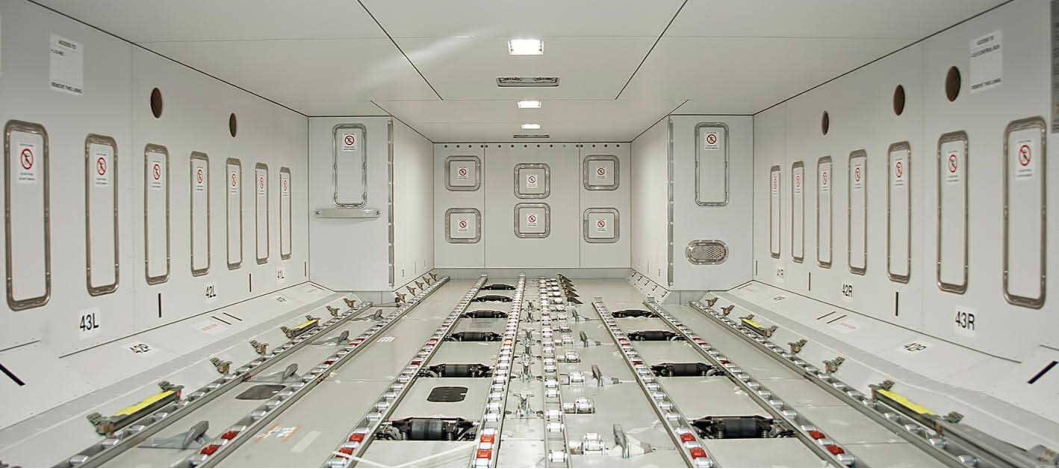
Section titled “What protection can the existing cargo compartment fire protection provide in the event of a lithium battery fire?”Todayʼs cargo fire protection of an aircraft is addressed by:
-
Passive protection (cargo hold linings or protection of essential systems)
-
Detection
-
Suppression (use of Halon) or oxygen starvation
-
Preventing hazardous smoke / extinguishing agents into occupied compartments.
CATEGORIZATION OF CARGO COMPARTMENTS
Section titled “CATEGORIZATION OF CARGO COMPARTMENTS”Cargo compartments of the Airbus fleet are certified as class C and class E compartments according to CS 25.857. Additionally, some aircraft in service still have class D cargo compartments, but this classification was eliminated for new production in 1998.
-
Class C compartments are required for passenger aircraft compartments not accessible during flight (lower deck) or if a fire could not be controlled from the entrance point, without entering the compartment. A class C compartment needs to be equipped with:
-
Smoke/fire detection system
-
Ventilation control
-
Built-in fire suppression system
-
Fire resistant linings (passive protection)
-
It needs to be demonstrated that no hazardous quantity of smoke, flames or fire extinguishing agents are able to enter occupied areas.
-
Class D compartments need to be equipped with:
-
Ventilation control
-
Fire resistant linings (passive protection)
-
It needs to be demonstrated that no hazardous quantity of smoke or flames are able to enter occupied areas.
-
Class E compartments are only allowed for freighter aircraft. They need to be equipped with: o Smoke/fire detection system
-
Ventilation control
-
Only critical systems need to be protected from fire
-
It needs to be demonstrated that no hazardous quantity of smoke, flames or noxious gases are able to enter occupied areas.
Investigations have shown that the cargo compartment fire protection standards described in CS 25 are not sufficient to protect the aircraft from fires involving high density shipments of lithium batteries.
“High density” describes a quantity of lithium battery accumulation that has the potential to overwhelm the cargo compartment fire protection features. In fact, the impact of different characteristics of the batteries (e.g. chemistry, state of charge, size), cargo compartments types and loading configurations make it very difficult to define a quantity limitation that could be recommended at aircraft level, for all operational situations. Tests have demonstrated that some configurations, involving only one of the regulated packaging sizes, could already have the potential to lead to significant damage to an aircraft.
Irrespective of the size of the shipment, research into the impact of both lithium-metal and lithium-ion batteries fire has demonstrated that the existing cargo compartment fire suppression functions – namely Halon 1301 (class C) or oxygen starvation (class E) – are unable to stop a thermal runaway and prevent propagation to adjacent cells. If a thermal runaway is initiated, heat and flammable gases coming from the degradation of the hydrocarbon electrolyte will be emitted. The existing fire protection cargo functions are not capable of preventing an explosion of these accumulated gases.
The passive protection standards are designed to withstand heat sources for up to 5 minutes and are not resistant against the characteristics of a lithium battery fire. The temperature, duration and intensity of such a fire will quickly overwhelm the passive protections. In addition, the quantity and continuing production of smoke produced is likely to overwhelm the passive and active smoke barriers that protect the occupied compartments.
What Regulations Say
Section titled “What Regulations Say”Transportation of lithium batteries as a cargo is forbidden on passenger aircraft
Section titled “Transportation of lithium batteries as a cargo is forbidden on passenger aircraft”In the light of the risks identified, the ICAO Dangerous Goods Panel took the position to ban the carriage of lithium batteries of all types as cargo on passenger aircraft from April 2016.
Maximum state of charge of transported batteries
Section titled “Maximum state of charge of transported batteries”The ICAO Dangerous Goods Panel (DGP) recommends not exceeding a 30% State of Charge (SoC) limit as an interim measure aiming to reduce the risk of fire propagation to adjacent batteries and thereby improve aviation safety.
Packaging and shipping
Section titled “Packaging and shipping”ICAO is also focussing on establishing appropriate packaging and shipping requirements to ensure safer shipment of lithium-ion batteries. Airbus is also involved in the Civil Aviation Safety Team (CAST) investigating overall approaches from the battery itself to a combination of packaging / container and the aircraft itself.
The importance of correct transport and shipping of lithium batteries therefore becomes key, and the involvement of the shipper and operator is crucial.
On request of ICAO, SAE has established a standardization working group - SAE G-27, which develops a Performance-Based Package Standard for lithium-ion Cylindrical Cells as a Cargo on Aircraft - AS6413.
What Shippers and Operators Can Do: Risk Assessment and Best Practices
Section titled “What Shippers and Operators Can Do: Risk Assessment and Best Practices”1. Check the latest industry available information and guidance
Section titled “1. Check the latest industry available information and guidance”Air transport of lithium batteries is controlled by international and local regulations. If transporting lithium batteries, operators need to first check the latest instructions for the safe transport of dangerous goods by air, be they provided through Airworthiness Authorities or local regulations, and/or the ICAO.
2. Perform a risk assessment
Section titled “2. Perform a risk assessment”In the end, the responsibility for the safe carriage of dangerous goods (including lithium batteries) lies with the shipper and operator. It is recommended that if carriage of dangerous goods is pursued, then a safety risk assessment of cargo operations should be performed to determine if battery shipments can be handled safely.
With respect to lithium batteries, guidelines for the assessment should consider factors such as:
-
The quantity and density of lithium battery shipment
-
- The type of lithium batteries to be shipped
-
Who the supplier/shipper of lithium batteries is and their quality control
-
- The identification and notification of all shipments of lithium batteries (also Section II lithium batteries)
-
Accepting only lithium battery shipments that comply with applicable regulations (ICAO and/or local regulations)
-
- Overall capability of the aircraft and its systems - Segregation possibilities of lithium batteries from other flammable/explosive dangerous goods.
3. Ensure safe packaging and shipping
Section titled “3. Ensure safe packaging and shipping”-
Local and/or international regulations provide the applicable set of rules that need to be complied with when transporting lithium batteries. Attention should be given to: - Training and awareness of employees regarding: o The aircraft limitations against a lithium battery fire and existing mitigation means.
-
o Regulations, handling procedures, the dangers of mishandling, and methods to identify lithium battery shipments.
-
- Packaging : o Clearly identify shipments of lithium batteries by information on airway bills and other documents.
-
o Make sure that the packaging is correctly labelled and identified as dangerous goods according to ICAO technical instructions.
-
o Do not ship damaged packages.
-
- Cargo loading : segregate any lithium battery shipments from other dangerous goods that present a fire hazard (flammable and explosive goods).
More information on the carriage of lithium-ion batteries is provided in Airbus ISI 00.00.00182 dated 27 August 2024.
Industry Guidance, such as the IATA “Lithium Batteries Risk Mitigation Guidance for Operators” also provides useful information for mitigating the risk on the carriage of lithium batteries.
LITHIUM BATTERIES IN THE CABIN
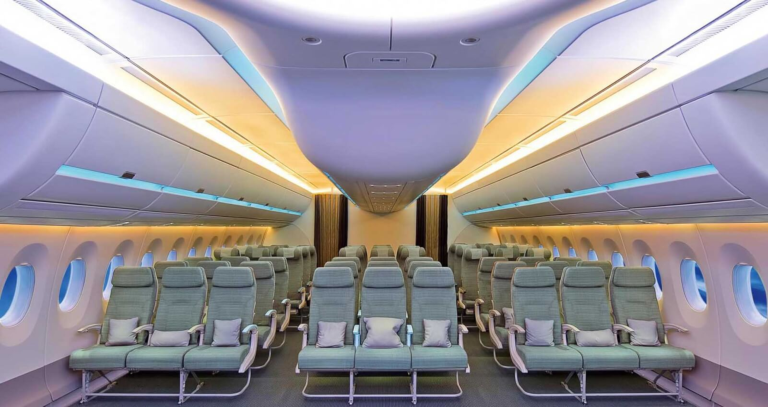
Section titled “LITHIUM BATTERIES IN THE CABIN”Whilst recent discussions have shifted the focus towards the carriage of large quantities of lithium batteries as cargo, due to their proliferation and use in many applications, operators need to also be aware of the risk of carrying lithium batteries in passenger baggage – both checked in, off loaded cabin baggage and also carry-on cabin baggage.
The widespread use of lithium batteries means that hundreds of Portable Electronic Devices (PED) are likely to be carried on a large aircraft, either in hold baggage or as carry-on. Prevention is therefore essential to raise passengers’ awareness of the risks associated with carrying lithium batteries.
Raising passengers awareness before boarding
Section titled “Raising passengers awareness before boarding”Recommendations have been developed with respect to what can or cannot be carried in passenger baggage. IATA regulated and recommended general requirements with regards to carrying and managing what is carried in passenger baggage is that:
-
Batteries carried should have been appropriately tested (e.g. should be manufactured by the original manufacturer).
-
PEDs containing lithium batteries should be carried in carry-on baggage.
-
Spare batteries (i.e. those not contained in a PED), regardless of size, MUST be in carry-on baggage. They are forbidden in checked baggage and should be appropriately protected against short circuit, e.g. by leaving the batteries in its original retail packaging.
-
Consider the quantity carried by individuals. Whilst there is no limit on the number of PEDs or spare batteries, below a specified size (normally 100 Watt-hour) that a passenger or crew member may carry, but they must be for personal use.
The key however is making both the ground personnel and the passenger themselves aware of the risks presented by the incorrect carriage of lithium batteries, and making sure that they know the regulations. To increase the awareness of the travelling public, posters and lithium battery pamphlets can be a useful option and are widely used by air carriers and authorities around the world alike. As an example, the FAA has issued Safety Alerts for Operators (SAFO) number 15010, which deals with “Carriage of Spare lithium Batteries in Carry-on and Checked Baggage”.
In May 2025, EASA released a Safety Information Bulletin SIB No. 2025-03 that
provides a set of recommendations for passenger aircraft operators, aerodrome operators and ground handling service providers on actions that should be taken to make passengers aware of the restrictions and conditions applicable to carriage of lithium batteries and PEDs powered by lithium batteries in passenger aircraft.
Raising passenger awareness on-board the aircraft
Section titled “Raising passenger awareness on-board the aircraft”A key aspect to mitigating the risk is making the owner, namely the passenger, aware of the risks inherent to lithium batteries being used in an aircraft environment. Make sure passengers are aware of what is allowed in the terms of lithium batteries in carry-on baggage, and the requirement for correct storage, but also the impact of a PED getting trapped in the movable seat mechanism.
Due to their small size, PEDs can easily be trapped in seat mechanisms. The subsequent crushing of PEDs during adjustment of the seat can lead to overheat and thermal runaway.
Making passengers aware of this inherent risk can help reduce this scenario. For example, including a note in the pre-flight briefing to ensure that in case a PED is lost, then the seat is not moved until the component is retrieved is an option. Likewise, making cabin and flight crew aware of this potential failure mode is key to quick and efficient action when addressing a fire caused by a PED.
-
EASA Safety Information Bulletin SIB No.: 2025-03, Passenger and Crew Awareness on the Risks of Lithium Batteries
-
IATA has issued more information on the risk mitigations for operators on carriage of lithium batteries. Visit their website for more information and guidance on different situations, making sure the last approved versions are used.
-
- https://www.iata.org/en/publications/newsletters/iata knowledge hub/ what-to-know-about-how-to-ship-lithium-batteries/
Mitigating the risks posed by lithium batteries: summary
Section titled “Mitigating the risks posed by lithium batteries: summary”Lithium battery thermal runaways can be caused by design / manufacturing quality / integration shortcomings or by inadequate compliance with a number of basic rules. The following principles should be adhered to in order to minimize the risk of lithium battery fires and explosions:
-
Ensure that lithium cells/batteries shipped comply with international standards.
-
Ensure that loads conform with ICAO / IATA labelling, packaging and handling recommendations.
-
Ensure compliance to the Airbus Parts Catalogue when replacing aircraft batteries.
-
Ensure that ground, flight and cabin crews are trained and passengers are aware of lithium batteries specificities.
For more information on how to handle a lithium battery fire in the cockpit or the cabin, refer to the “ Lithium Battery Fire in the Cabin or in the Cockpit ” article published in July 2025.
Contributors:
Konstantin KALLERGIS Senior Expert Overall Aircraft Fire Safety
Christophe DELMAS Aircraft Safety Enhancement Manager
With thanks to Marie-Laure MOULARD from the Cabin Safety & Interior Certification team.
Lithium batteries have existed for more than 20 years now and are widely used in all daily applications. This technology is extremely efficient and its range of applications is constantly expanding. Whilst fortunately events involving lithium batteries are rare, and even rarer when occurring in flight, the risk of fire still exists. The specificities of lithium batteries need therefore to be considered in all aspects of aircraft applications and managed correctly.
It is essential to consistently review and adhere to the latest procedures and regulations. ICAO and IATA, along with FAA and EASA, frequently update their documentation and websites to support customers, operators, and stakeholders in staying informed about the evolving challenges related to the air transport of lithium batteries.
Initial Contributors: Christine Bezard, Ian Goodwin, Peimann Tofighi-Niaki and Paul Rohrbach.
Safety first, 2025. Safety first is published by Airbus S.A.S. 1, rond point Maurice Bellonte - 31707 Blagnac Cedex/France.
Editor: Yannick Malinge, SVP Aviation Safety.
Editorial team: Guillaume Estragnat, Vanessa Sadi, Gwyneth Duggan, Javier Martinez Marina, Lise Foubert, Bruno Fargeon.
Photos by Airbus.
来源:Airbus Safety First URL:https://safetyfirst.airbus.com/lithium-batteries-safe-to-fly/ 发布时间:2016-01-29 类别:客舱运营、飞行运营、地面运营、维修、电池、客舱、货运、电芯、火灾、锂电池、过热、移动电子设备、烟雾、热失控 PDF:原始PDF
本文已于2025年7月更新。初次发布于2016年1月。
如今,锂电池在我们的日常生活和航空领域都扮演着虽不显眼却至关重要的角色。如果生产正确、处理得当,锂电池是安全的。但如果生产出现缺陷、操作不当或对其特殊性能缺乏了解,则可能产生严重后果。
锂电池是当今首选的电源。随着我们对便携式电子设备(PED)的依赖程度日益加深——它们在我们指尖提供信息、娱乐和通信——对更强劲、更轻便的电源需求也随之增长。
每年有数亿块锂电池或含锂电池的设备通过飞机运输。这些可以是乘客随身携带物品的一部分,也可以作为飞机或空勤人员设备。锂电池也可以作为货物运输。它们在飞机环境中的应用正变得越来越普遍。
然而,锂电池的引入也伴随着一些备受关注的事故,手机、充电宝或笔记本电脑自燃起火的事件时有发生。同样,飞机上也发生了多起事故,从局部有限的火灾到导致机体损毁的大型失控飞行火灾,甚至造成货机人员伤亡。
航空业已对锂电池的特殊性能有了更深入的认识,相关风险现已能够得到控制。针对锂电池产生的风险,已制定相应程序,涵盖作为飞机设计一部分的锂电池、乘客或机组人员随身携带物品中的锂电池,以及锂电池作为货物运输的相关程序。
锂电池:一项强大且多功能的技术,伴随风险
Section titled “锂电池:一项强大且多功能的技术,伴随风险”锂是密度最低的金属,但拥有最大的电化学电位和最高的能量重量比,这意味着它具有出色的储能能力。这些高能量密度和低重量特性使其成为任何对重量有要求的应用的理想电源材料,飞机应用便是自然而然的选择。
锂:日益增长的应用
Section titled “锂:日益增长的应用”锂电池实验始于1912年,首批锂电池在20世纪70年代上市销售。90年代,锂电池技术开始被多个寻求轻量、强劲且耐用电池的行业广泛采用。
事实证明,锂电池在电池领域的应用一直是锂需求的主要推动力之一,因为可充电锂离子电池在90年代初被发明了出来。
锂电池已逐步取代了前代技术的电池——如镍镉电池、铅酸电池——现可见于大多数电子设备和自主电气系统或装备中。研发和应用仍在不断发展,最新用途包括超薄(至0.5毫米)和柔性技术。
锂电池市场非常活跃且增长迅速,作为各类电动汽车的电源应用不断增长。事实上,在未来几年内预计不会出现增长放缓。
锂电池可以有多种形态。它们可以像单芯纽扣电池一样微小——例如用作手表电源——也可以是能够作为电动汽车高功率能源或飞机机载备用电源的多芯电池(通常可充电)(图1)。
(图1) 锂电池类型:单芯/多芯
“锂电池”这一术语实际上指的是一个电池家族,可分为两大类别:
● 锂金属不可充电电池
Section titled “● 锂金属不可充电电池”(图2) 不可充电锂金属电池
这些包括纽扣电池或圆柱形电池,例如用于计算器、数码相机和应急(备用)应用等**(图2)**。
锂金属电池与其他所有电池相比具有更高的比能量,同时具有重量轻、搁置寿命和使用寿命长的特点。
● 锂离子/锂聚合物可充电电池
Section titled “● 锂离子/锂聚合物可充电电池”这类电池的主要当前应用包括为手机、笔记本电脑或其他手持电子设备供电,以及电动汽车/混合动力汽车和充电宝**(图3)**。
(图3) 可充电锂离子/锂聚合物电池
锂离子或锂聚合物电池的优势在于能够充电,此外与镍镉电池和镍氢电池相比,具有更高的能量密度和更轻的重量。
主要风险:热失控
Section titled “主要风险:热失控”虽然此前的电池技术并非毫无风险,但锂离子电池具有更大的电化学势能;因此,如果受到损坏、操作不当或制造不良,它们可能会出现稳定性问题,并发生所谓的”热失控”。目前这一现象已广为人知,通过采取认知和预防措施可以加以缓解。
一种自燃且高度传播的现象
Section titled “一种自燃且高度传播的现象”在内部降解或损坏的情况下,电池单体通过高能排气反应迅速释放其储存的能量(势能和化学能),进而产生烟雾、易燃气体、热量(局部可达600°C至1500°C)、火灾、爆炸或可燃电解质喷射。释放的能量大小与所储存的电化学能(荷电状态)和电池类型(化学成分和设计)直接相关。
原电池和蓄电池两种类型都能够自燃并发生热失控。而且一旦该过程被触发,它很容易传播,因为它产生的热量足以诱导相邻电池进入同样的热失控状态。
锂离子电池既可能通过自燃和热失控成为火灾源,也可能通过点燃周围可燃材料成为火灾原因。
热失控的后果
Section titled “热失控的后果”在飞机环境中发生热失控的后果可能是灾难性的。轻则可能导致个人设备有限降级,或对头顶储物隔舱造成轻微损坏 (图4)。最严重的情况下,高密度包装的锂离子电池发生热失控可能导致——事实上已有案例涉及——整机损毁。
(图4) 锂离子电池热失控的后果
FAA测试表明,即使少量电池过热释放的气体也能引起传统灭火系统无法抑制的爆炸和火灾。鉴于可能产生的后果,锂离子电池被归类为危险品,因此在与飞机环境相关的锂离子电池(或含锂离子电池的设备)的使用和运输方面,必须采取特别的注意和考量以确保安全运营。
深入了解热失控现象
Section titled “深入了解热失控现象”热失控是一种失控的能量释放。它指的是温度升高改变了条件,进而导致温度进一步升高的情况,往往造成破坏性结果。
在多单体电池中,热失控可以传播到其余电池单体,可能导致单体熔化或内部压力积聚,从而引发电池爆炸或失控火灾。
导致热失控的主要因素包括:
Section titled “导致热失控的主要因素包括:”-
设计不良或集成不当
-
电池单体或电池制造质量不佳
-
安全监控或保护不足
-
处理/存放/包装条件不当
重大风险暴露
Section titled “重大风险暴露”基于其性质和特性,飞机上许多位置都可能存在大量锂离子电池 (图5):
- 客舱中:机组人员和乘客的个人电子设备
- 驾驶舱中:用于飞行数据支持的平板电脑
- 货舱中:作为货物或乘客行李运输的电池
- 飞机设计中嵌入的电池
(图5) 飞机上的锂离子电池
2006年3月3日至2025年4月30日期间,FAA记录了617起经核实的事件,涉及客机和货机上运输的锂离子电池,数据来源于FAA关于”锂离子电池空中事件(涉及烟雾、火灾或极端高温)“的报告。
永久安装的锂离子电池
Section titled “永久安装的锂离子电池”降低锂离子电池风险并防止热失控或火灾,首先要从固定好作为飞机设计组成部分的电池开始。在这方面,嵌入飞机设计中的锂离子电池须遵守严格的设计和集成要求,符合最高安全标准。这一新一代锂离子电池的固有风险在飞机设计的所有层面都得到认可,从产品和系统的最初构思阶段就已纳入考量。随后通过基于每个电池安装位置的可接受性论证以及全面的安装审查来实施缓解措施,确保附近没有热源和危险物质或液体。
仅使用原始设备制造商 (OEM) 零件
Section titled “仅使用原始设备制造商 (OEM) 零件”在飞机使用寿命期间,可以通过遵循常识性预防措施来降低此类风险,例如仅使用原始设备制造商零件。**使用假冒或未经授权的零件会增加着火和爆炸的风险。**因此,遵守空客零件目录,仅使用空客或 OEM 目录参考件进行备用电池采购是关键。
同样,在将备用电池安装到客户提供的设备 (BFE) 或飞机上之前,运营商应确保这些零件是正品备件,已妥善储存和处理,且没有过热或损坏的痕迹。
有关使用未经批准电池的后果的更多信息,请参阅 OIT 999.0032/03 Rev 01、OIT 999.0035/04 Rev 03 和 OIT 999.0145/14。
锂电池作为货物运输
Section titled “锂电池作为货物运输”锂电池作为首选电源的使用量增加,不出意料地导致锂电池作为航空货物运输的数量也相应增加。如今,锂电池带来的主要风险之一与作为货物运输有关。现有 ICAO 建议并未规定作为货物装载在任一飞机上的锂电池数量限制。唯一的限制条件与每个独立包装内可装载的内容有关。还需注意的是,这些相同的法规并非旨在控制或封堵包装内的火灾。
过去几年启动的研究项目旨在支持为空运货物制定新的 SAE AS6413 包装标准。包装解决方案和运输措施的有效性通过一系列实验测试进行验证,这些测试代表了空运过程中遇到的运行条件。此外,还开发了一种全面的风险评估方法,以支持运营商在日常运营中使用这些解决方案和措施(EU 法规采纳了 ICAO 建议)。
现有的货舱防火保护在锂电池火灾情况下能提供何种保护?
Section titled “现有的货舱防火保护在锂电池火灾情况下能提供何种保护?”当今飞机的货舱防火保护通过以下方式实现:
-
被动保护(货舱内衬或关键系统保护)
-
探测
-
抑制(使用海龙气体)或缺氧
-
防止危险烟雾/灭火剂进入人员舱室。
空客机队的货舱根据 CS 25.857 认证为 C 类和 E 类货舱。此外,部分在役飞机仍具有 D 类货舱,但该分类已于 1998 年在新生产中取消。
-
C 类货舱适用于飞行中无法进入的客机舱室(下层甲板),或如果无法在不进入货舱的情况下从入口处控制火灾。C 类货舱需要配备:
-
烟雾/火灾探测系统
-
通风控制
-
内置灭火系统
-
耐火内衬(被动保护)
-
需要证明没有危险数量的烟雾、火焰或灭火剂能够进入人员区域。
-
-
D 类货舱需要配备:
-
通风控制
-
耐火内衬(被动保护)
-
需要证明没有危险数量的烟雾或火焰能够进入人员区域。
-
-
E 类货舱仅允许用于货机。需要配备:
-
烟雾/火灾探测系统
-
通风控制
-
仅关键系统需要防火保护
-
需要证明没有危险数量的烟雾、火焰或有毒气体能够进入人员区域。
-
调查表明,CS 25 中描述的货舱防火保护标准不足以保护飞机免受高密度锂电池运输引发的火灾。
“高密度”是指可能压垮货舱防火保护功能的锂电池累积量。事实上,电池不同特性(如化学成分、荷电状态、尺寸)、货舱类型和装载配置的影响使得很难定义一个可在所有运行情况下、在飞机层面推荐的限量。测试已表明,某些配置仅涉及一种受监管的包装尺寸,就已有可能对飞机造成重大损坏。
无论运输量大小,关于锂金属电池和锂离子电池火灾影响的研究表明,现有货舱灭火功能——即海龙 1301(C 类)或缺氧(E 类)——无法阻止热失控,也无法防止传播到相邻电芯。如果发生热失控,烃类电解质降解产生的热量和可燃气体将被释放。现有防火保护功能无法防止这些积聚气体的爆炸。
被动保护标准设计为承受热源长达 5 分钟,但不能抵御锂电池火灾的特性。此类火灾的温度、持续时间和强度将很快压垮被动保护。此外,产生的烟雾数量和持续产生很可能压垮保护人员舱室的被动和主动烟雾屏障。
What Regulations Say
Section titled “What Regulations Say”Transportation of lithium batteries as a cargo is forbidden on passenger aircraft
Section titled “Transportation of lithium batteries as a cargo is forbidden on passenger aircraft”禁止在客机上运输锂电池作为货物
Section titled “禁止在客机上运输锂电池作为货物”In the light of the risks identified, the ICAO Dangerous Goods Panel took the position to ban the carriage of lithium batteries of all types as cargo on passenger aircraft from April 2016.
鉴于已识别的风险,ICAO危险品专家组决定从2016年4月起禁止在客机上运输所有类型的锂电池作为货物。
Maximum state of charge of transported batteries
Section titled “Maximum state of charge of transported batteries”运输电池的最大荷电状态
Section titled “运输电池的最大荷电状态”The ICAO Dangerous Goods Panel (DGP) recommends not exceeding a 30% State of Charge (SoC) limit as an interim measure aiming to reduce the risk of fire propagation to adjacent batteries and thereby improve aviation safety.
ICAO危险品专家组(DGP)建议不超过30%荷电状态(SoC)限值作为临时措施,旨在降低火灾蔓延至相邻电池的风险,从而提高航空安全。
Packaging and shipping
Section titled “Packaging and shipping”ICAO is also focussing on establishing appropriate packaging and shipping requirements to ensure safer shipment of lithium-ion batteries. Airbus is also involved in the Civil Aviation Safety Team (CAST) investigating overall approaches from the battery itself to a combination of packaging / container and the aircraft itself.
ICAO还致力于制定适当的包装和运输要求,以确保锂电池的安全运输。空客还参与民用航空安全团队(CAST)的工作,研究从电池本身到包装/集装箱与飞机本身组合方式的整体方法。
The importance of correct transport and shipping of lithium batteries therefore becomes key, and the involvement of the shipper and operator is crucial.
因此,锂电池的正确运输变得至关重要,托运人和运营人的参与至关重要。
On request of ICAO, SAE has established a standardization working group - SAE G-27, which develops a Performance-Based Package Standard for lithium-ion Cylindrical Cells as a Cargo on Aircraft - AS6413.
应ICAO要求,SAE成立了标准化工作组——SAE G-27,正在制定一份以性能为基础的锂电池圆柱形电芯作为航空货物的包装标准——AS6413。
What Shippers and Operators Can Do: Risk Assessment and Best Practices
Section titled “What Shippers and Operators Can Do: Risk Assessment and Best Practices”托运人和运营人应该怎么做:风险评估与最佳实践
Section titled “托运人和运营人应该怎么做:风险评估与最佳实践”1. Check the latest industry available information and guidance
Section titled “1. Check the latest industry available information and guidance”1. 查阅最新的行业信息和指南
Section titled “1. 查阅最新的行业信息和指南”Air transport of lithium batteries is controlled by international and local regulations. If transporting lithium batteries, operators need to first check the latest instructions for the safe transport of dangerous goods by air, be they provided through Airworthiness Authorities or local regulations, and/or the ICAO.
锂电池的航空运输受国际和当地法规管控。运输锂电池时,运营人需要首先查阅最新的空运危险品安全运输指南,无论是通过适航当局或当地法规提供,还是ICAO发布的指南。
2. Perform a risk assessment
Section titled “2. Perform a risk assessment”2. 进行风险评估
Section titled “2. 进行风险评估”In the end, the responsibility for the safe carriage of dangerous goods (including lithium batteries) lies with the shipper and operator. It is recommended that if carriage of dangerous goods is pursued, then a safety risk assessment of cargo operations should be performed to determine if battery shipments can be handled safely.
最终,危险品(包括锂电池)的安全运输责任由托运人和运营人承担。建议如果进行危险品运输,则应进行货运作业的安全风险评估,以确定是否可以安全处理电池货物。
With respect to lithium batteries, guidelines for the assessment should consider factors such as:
关于锂电池,评估指南应考虑以下因素:
-
The quantity and density of lithium battery shipment
-
锂电池运输的数量和密度
-
- The type of lithium batteries to be shipped
-
待运输锂电池的类型
-
Who the supplier/shipper of lithium batteries is and their quality control
-
锂电池的供应商/托运人是谁及其质量控制情况
-
- The identification and notification of all shipments of lithium batteries (also Section II lithium batteries)
-
所有锂电池运输的识别和通知(包括Section II锂电池)
-
Accepting only lithium battery shipments that comply with applicable regulations (ICAO and/or local regulations)
-
仅接受符合适用法规(ICAO和/或当地法规)的锂电池运输
-
- Overall capability of the aircraft and its systems - Segregation possibilities of lithium batteries from other flammable/explosive dangerous goods.
-
飞机及其系统的整体能力——锂电池与其他易燃/爆炸性危险品隔离的可能性
3. Ensure safe packaging and shipping
Section titled “3. Ensure safe packaging and shipping”3. 确保安全的包装和运输
Section titled “3. 确保安全的包装和运输”-
Local and/or international regulations provide the applicable set of rules that need to be complied with when transporting lithium batteries. Attention should be given to: - Training and awareness of employees regarding: o The aircraft limitations against a lithium battery fire and existing mitigation means.
-
当地和/或国际法规提供了运输锂电池时需要遵守的适用规则集。应注意:
- 对员工进行培训和宣传,内容包括:
- 飞机应对锂电池火灾的限制以及现有的缓解措施
- 对员工进行培训和宣传,内容包括:
-
o Regulations, handling procedures, the dangers of mishandling, and methods to identify lithium battery shipments.
-
法规、处理程序、误操作的危险以及识别锂电池运输的方法
-
- Packaging : o Clearly identify shipments of lithium batteries by information on airway bills and other documents.
-
- 包装:
- 通过空运单和其他文件上的信息清楚识别锂电池运输
-
o Make sure that the packaging is correctly labelled and identified as dangerous goods according to ICAO technical instructions.
- 确保包装按照ICAO技术说明正确贴标并标识为危险品
-
o Do not ship damaged packages.
- 不运输损坏的包装
-
- Cargo loading : segregate any lithium battery shipments from other dangerous goods that present a fire hazard (flammable and explosive goods).
-
- 货物装载:将任何锂电池运输与存在火灾危险的其他危险品(易燃品和爆炸品)隔离
More information on the carriage of lithium-ion batteries is provided in Airbus ISI 00.00.00182 dated 27 August 2024.
更多关于锂电池运输的信息见2024年8月27日发布的空客 ISI 00.00.00182。
Industry Guidance, such as the IATA “Lithium Batteries Risk Mitigation Guidance for Operators” also provides useful information for mitigating the risk on the carriage of lithium batteries.
行业指南,如IATA《锂电池运营商风险缓解指南》也提供了关于降低锂电池运输风险的有用信息。
客舱内的锂电池
Section titled “客舱内的锂电池”尽管近期的讨论已将对大型锂电池作为货物运输的关注转移到了其扩散和使用方面,但由于锂电池在许多应用中的普及,运营人也需要意识到在旅客行李中携带锂电池的风险——包括托运行李、卸下的随身行李以及随身携带的手提行李。
锂电池的广泛使用意味着在一架大型飞机上可能有数百个便携式电子设备(PED)被携带,无论是放在托运行李中还是随身携带。因此,预防措施对于提高旅客对携带锂电池相关风险的认知至关重要。
登机前提高旅客安全意识
Section titled “登机前提高旅客安全意识”关于旅客行李中可携带或不可携带的物品已制定相关建议。关于旅客行李携带和管理,国际航空运输协会(IATA)规范并推荐的一般要求如下:
-
所携带的电池应经过适当测试(例如,应由原始制造商生产)。
-
含有锂电池的便携式电子设备应放置在手提行李中携带。
-
备用电池(即未装在便携式电子设备内的电池),无论尺寸大小,必须放置在手提行李中。严禁将其放入托运行李中,并应采取适当的短路防护措施,例如保留在原厂零售包装中。
-
考虑个人携带的数量。虽然对低于特定额定功率(通常为100瓦时)的便携式电子设备或备用电池数量没有限制,旅客或机组人员可携带此类物品,但必须为个人自用。
然而,关键在于让地面人员和旅客自身意识到不正确携带锂电池的风险,并确保他们了解相关规定。为提高公众的出行安全意识,海报和锂电池宣传册是一种有效的方式,被全球航空公司和主管当局广泛采用。例如,美国联邦航空管理局(FAA)发布了运营人安全警报(SAFO)15010号,内容涉及“随身行李和托运行李中备用锂电池的携带”。
2025年5月,欧洲航空安全局(EASA)发布了安全信息通告SIB No. 2025-03,其中为旅客飞机运营人、机场运营人和地面服务提供商提供了一系列建议,内容涉及应采取哪些措施让旅客了解适用于旅客飞机上锂电池和由锂电池供电的便携式电子设备携带的限制条件和要求。
在机上提高旅客安全意识
Section titled “在机上提高旅客安全意识”降低风险的一个关键方面是让所有者——即旅客——意识到在飞机环境中使用锂电池所固有的风险。确保旅客了解手提行李中关于锂电池的规定要求,以及正确存放的要求,同时也要了解便携式电子设备卡在座椅活动机构中的影响。
由于便携式电子设备体积小,很容易卡在座椅机构中。在座椅调节过程中挤压便携式电子设备可能导致过热和热失控。
让旅客意识到这一固有风险有助于减少此类情况的发生。例如,在飞行前简报中加入注意事项,确保如果便携式电子设备丢失,在取回该物品之前不要移动座椅。同样的,让客舱乘务员和飞行机组人员了解这种潜在的失效模式,对于在处理便携式电子设备引发的火灾时快速有效地采取行动至关重要。
-
EASA安全信息通告SIB No.: 2025-03,旅客和机组人员对锂电池风险的认知
-
国际航空运输协会(IATA)发布了更多关于运营人携带锂电池风险缓解措施的信息。请访问其网站获取更多指导,了解不同情况下的处理方法,并确保使用最新批准的版本。
-
- https://www.iata.org/en/publications/newsletters/iata knowledge hub/ what-to-know-about-how-to-ship-lithium-batteries/
降低锂电池风险措施:摘要
Section titled “降低锂电池风险措施:摘要”锂电池热失控可能由设计缺陷/制造质量问题/集成不足引起,也可能因未遵守若干基本规则而引发。为最大限度降低锂电池火灾和爆炸风险,应遵循以下原则:
- 确保运输的锂电池电芯/电池符合国际标准。
- 确保货物符合 ICAO/IATA 的标签、包装和操作建议。
- 更换飞机电池时,确保符合空客零部件目录的规定。
- 确保地面、飞行和客舱机组人员接受过培训,并使乘客了解锂电池的特殊性。
更多关于如何处理驾驶舱或客舱内锂电池火灾的信息,请参阅 2025 年 7 月发表的”客舱或驾驶舱内锂电池火灾”一文。
贡献者:
Konstantin KALLERGIS 飞机整体防火高级专家
Christophe DELMAS 飞机安全改进经理
特别感谢 客舱安全与内饰认证团队的 Marie-Laure MOULARD。
锂电池技术已发展超过 20 年,广泛应用于日常生活的各个领域。这项技术效率极高,其应用范围也在不断扩展。尽管涉及锂电池的事件很少发生,飞行中更是罕见,但火灾风险依然存在。因此,锂电池的特殊性需要在飞机应用的各个方面予以考虑并进行妥善管理。
持续审查和遵守最新的程序与法规至关重要。ICAO 和 IATA,以及 FAA 和 EASA,经常更新其文档和网站,以帮助客户、运营商和利益相关者及时了解与锂电池航空运输相关的最新挑战。
初始贡献者:Christine Bezard、Ian Goodwin、Peimann Tofighi-Niaki 和 Paul Rohrbach。
Safety first,2025 年。Safety first 由空中客车公司 S.A.S. 出版。 地址:法国布拉尼亚克市莫里斯·贝隆特广场 1 号,31707。 编辑:Yannick Malinge,航空安全高级副总裁。
编辑团队:Guillaume Estragnat、Vanessa Sadi、Gwyneth Duggan、Javier Martinez Marina、Lise Foubert、Bruno Fargeon。
照片由空客提供。