Focus on Protective Breathing Equipment
Source: Airbus Safety First URL: https://safetyfirst.airbus.com/focus-on-protective-breathing-equipment/ Published: 2025-11-21 Category: Cabin Ops, Flight Ops, Maintenance, CO2, fumes, hypercapnia, hypoxia, oxygen, PBE, smoke PDF: Original PDF

Protective Breathing Equipment (PBE) protects the user’s face and respiratory system from heat, smoke and noxious gases. In-service events were reported to Airbus where the PBE did not work as expected or where cabin crew had difficulties using their equipment or inappropriately used it, which impaired their safety.
This article explains the concept and specificities of PBE. It recalls the essential maintenance, operational, and training considerations that must be followed in order to ensure PBE integrity and safe use in the case of an emergency.
Check the latest version of this article on safetyfirst.airbus.com and on the Safety first app for iOS and Android devices.
CASE STUDY
Section titled “CASE STUDY”Event Description
Section titled “Event Description”An A330 aircraft was taxiing to its departure runway when the flight crew noticed a smell of heated asphalt in the cockpit. The outside air temperature was 38 °C. The flight crew reportedly suspected that the smell was coming from the heated airport ground. There were 2 flight crew members, 10 cabin crew members, and 223 passengers onboard.
Strong unusual smell during initial climb
Section titled “Strong unusual smell during initial climb”The flight crew performed a takeoff with both air conditioning packs set to OFF, and then switched pack 2 back to ON during the initial climb. Soon after, they detected a smell of “dirty socks”. The flight crew switched pack 2 OFF again. This stopped the smell. They waited for 5 minutes and switched pack 2 ON again. The smell did not reappear. Pack 1 was set to ON soon after.
Temporary unusual smell also confirmed in the cabin
Section titled “Temporary unusual smell also confirmed in the cabin”The cabin crew members confirmed the presence of the smell in the cabin during the initial climb but also that the smell quickly disappeared.
In-flight turnback due to abnormal symptoms felt in the cabin
Section titled “In-flight turnback due to abnormal symptoms felt in the cabin”When the aircraft reached FL 340, several cabin crew members reported that they felt burning sensation and irritation of the eyes, as well as headaches. The flight crew decided to perform an in-flight turnback. They put on their oxygen masks and initiated the descent.
Use of PBE in the cabin
Section titled “Use of PBE in the cabin”Several cabin crew members decided to put on their PBE (fig.1). Seven of them faced difficulties using their PBE:
-
Several of them found it difficult to open the vacuum bag in which the PBE was packaged. Two of them had to use scissors or a knife to open the bag
-
● One of the two straps used to initiate the oxygen supply and secure the mask broke off when a cabin crew pulled on it
-
● One cabin crew member needed three minutes to don their PBE and felt very uncomfortable due to the high temperature and the tightness of the neck seal
-
● Several cabin crew members felt that inhalation was difficult when using the PBE
-
● Communication between crew members wearing PBE was challenging.
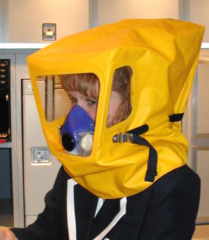
(fig.1) Type of PBE used during the event (photo from the PBE manufacturer)
Safe landing
Section titled “Safe landing”The aircraft landed safely after two hours of flight with no reported injuries among passengers or crew.
Event Analysis The root cause of the smell was not formally identified Troubleshooting performed by the maintenance crew did not formally identify the root cause of the smell. Use of PBE The CCOM mentions that Protective Breathing Equipment (PBE) protects the user’s face and respiratory system from heat, smoke and noxious gases. Two damaged PBE Post-flight inspection of the PBE used during the event revealed that, in addition to the broken strap on a PBE, a second PBE showed damage on the visor that could not be a result of incorrect removal from the vacuum bag. Cabin crew were not comfortable with the use of PBE Despite having regular training on the use of PBE, the cabin crew found it difficult to use the PBE in this situation, which highlights the potential need for training improvement. Extended use of the PBE exposed some cabin crew members to risk of hypoxia Two cabin crew members kept their PBE on until after landing, which resulted in the PBE being used for longer than the certified duration of 15 minutes. Although no health issues were reported by PBE users, this incident underscored the importance of increasing cabin crew awareness regarding the limitations of PBE and the potential for hypoxia with prolonged use.
PBE DESIGN
Section titled “PBE DESIGN”PBE, also called smoke hood, is designed to protect the crew members from smoke, carbon dioxide, and other harmful gases while they are on flight deck duty or while combating fires. PBE is available in several locations in the aircraft cabin, in the cockpit, and crew rest areas.
A Common Principle
Section titled “A Common Principle”Several models of PBE are available. Each one has its specificities that are detailed in the PBE manufacturerʼs documentation. However, regardless of the PBE type, they are based on a similar concept of a closed-circuit breathing system (fig.2).
(fig.2) Principle of PBE
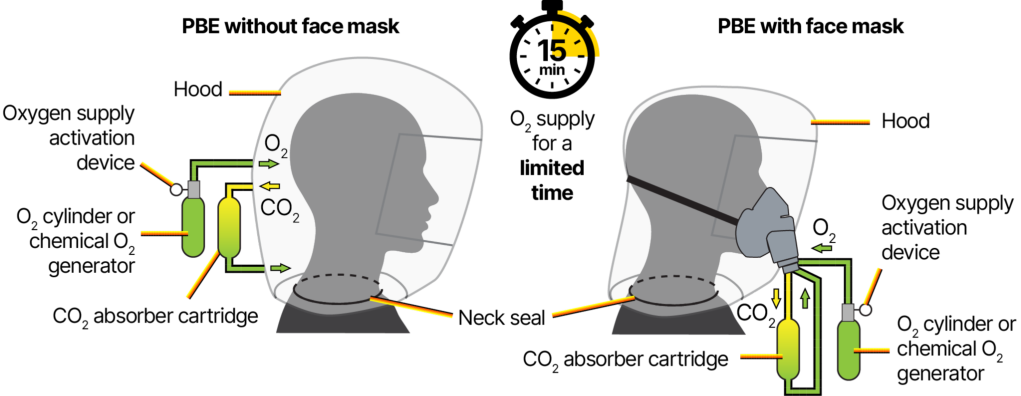
Each PBE includes a hood to cover the head of the user, providing a protected environment. A neck seal ensures the airtightness of the hood to prevent smoke, gas, or fumes from entering the hood.
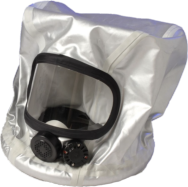
The CO2 exhaled by the user is removed by a CO2 absorber cartridge. Additional oxygen supply is obtained via either a gaseous oxygen cylinder or a chemical oxygen generator. Oxygen can be provided directly into the hood or through a facemask depending on the PBE type (fig.3). The user generally activates the oxygen supply by pulling on an activation ring or a lanyard. The activation device may differ depending on the PBE model.
PBE can only be used for a limited time. Certification criteria requires that PBE provide oxygen for 15 minutes.
(fig.3) Various types of PBE can be used in Airbus aircraft (photos from the PBE manufacturers)
PBE Stowage
Section titled “PBE Stowage”Each PBE is packed in a vacuum/moisture resistance bag to protect it from humidity and contamination (fig.4). Each vacuum bag is stored in a container. Integrity of both the container and the vacuum bag is essential to ensure operational PBE.
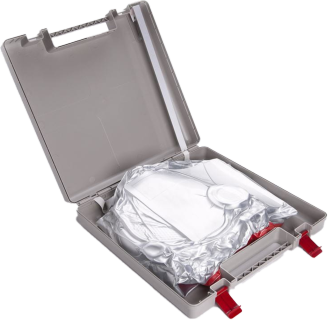
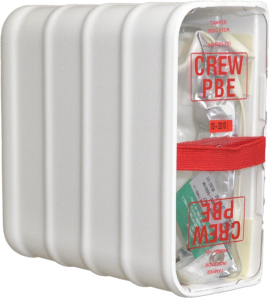
(fig.4) Examples of PBE container and vacuum/moisture resistance bag (photos from the PBE manufacturers)
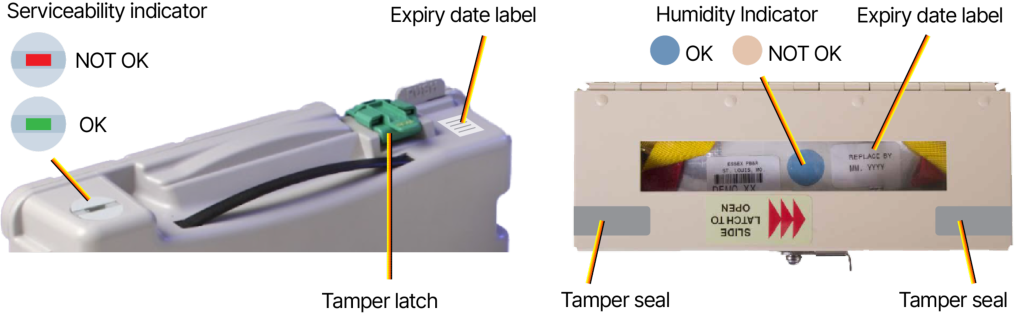
A serviceability or condition indicator is available on the container of some PBE models. On other PBE models, a humidity indicator is available (fig.5).
A tamper seal or a tamper latch is available on some containers to indicate if the container was opened.
Limited service life
Section titled “Limited service life”PBE usually has a 10-year service life (after date of manufacturing). An expiry date is displayed on the container or on the vacuum bag.
(fig.5) Examples of containers equipped with a serviceability and humidity indicator as well as tamper seal or tamper latch
MAINTENANCE CONSIDERATIONS
Section titled “MAINTENANCE CONSIDERATIONS”PBE must be replaced as specified in the Maintenance Planning Document (MPD), before reaching its expiry date.
Regular maintenance checks
Section titled “Regular maintenance checks”PBE must be inspected at the interval defined in the MPD. The associated Aircraft Maintenance Manual (AMM) procedure must be followed.
Typical checks that must be performed include:
-
Check of the PBE expiry date
-
Check the vacuum/moisture resistance bag condition (if visible): The bag must not be inflated
-
Check the containerʼs tamper seal or tamper latch condition (if installed): If damaged, the AMM may request that the container be opened to verify the integrity of the vacuum bag and replace the damaged tamper seal or tamper latch
-
Check that the PBE serviceability/condition indicator (if installed on the container) is green (if red, the vacuum is compromised. The PBE must be replaced)
-
Check that the humidity indicator (if installed) is blue (if pink, the PBE must be replaced)
-
● Check of the general condition of the container.
OPERATIONAL CONSIDERATIONS
Section titled “OPERATIONAL CONSIDERATIONS”Preflight Check
Section titled “Preflight Check”Cabin crew and flight crew members should check the condition of the PBE devices available in the aircraft before each flight or before the first flight of the day depending on the airlineʼs policy and local regulations. This includes checking the PBE in the cabin and in the cockpit.
Typical checks that should be performed include:
-
Check of the PBE expiry date : If expired, maintenance personnel should be informed
-
● Check the vacuum bag condition (if visible): The bag must not be inflated
-
Check the containerʼs tamper seal or tamper latch condition (if installed): If damaged, maintenance personnel should be informed
-
● Check that the PBE serviceability/condition indicator (if installed on the container) is green. If red, the vacuum bag is compromised. Maintenance personnel should be informed: the PBE must be discarded
-
● Check that the humidity indicator (if installed) is blue (if pink, Maintenance should be informed: the PBE must be discarded)
-
● Check the general condition of the container.
Cabin crew and flight crew members must be familiar with the characteristics of the PBE available in the aircraft they are flying in, so that they know which item needs to be verified during the preflight check.
Use of PBE
Section titled “Use of PBE”Adherence to the PBE manufacturer procedure is essential to ensure the safe use of PBE. Here is a recall of some key information to be considered when using the PBE:
All crew members, including flight crew and cabin crew, must be familiar with the use of the PBE available in the aircraft they are flying in.
Choosing a safe area to don the PBE
Section titled “Choosing a safe area to don the PBE”As for any oxygen supply, fire risk must be considered for the donning of PBE.
The user must don the PBE away from a fire area since oxygen leak outside of the device during the donning sequence.
Unfolding the PBE
Section titled “Unfolding the PBE”PBE remains tightly folded in the vacuum/moisture resistant bag for months and may need some effort to be unpacked. It is recommended to have dry hands to open the PBE container and vacuum/moisture resistance bag as it may require some force to do it.
Tear pads also referred to as tear off strips (generally red) must be pulled to open the vacuum bag (fig.6). Arrows may indicate the direction of the pull to ease opening. Specific unfolding actions may be needed depending on the PBE type.
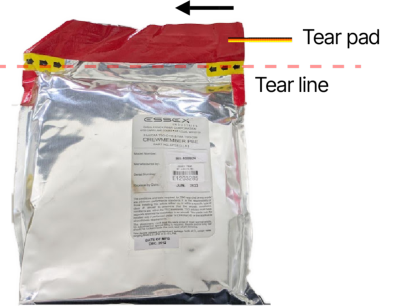
(fig.6) Example of a PBE vacuum bag with tear pads to ease opening
PBE users must be familiar with the unpacking and unfolding of the PBE available in the aircraft they are flying in, to enable timely donning and prevent damage to the device.
Adjustment of the PBE
Section titled “Adjustment of the PBE”The neck seal requires widening to don the PBE. This may require some force.
It is essential to correctly don the PBE and adjust the neck seal so that the airtightness of the device is ensured. Any hair passing through the neck seal can impair the airtightness and create an oxygen leak or allow smoke to enter the hood. Therefore, the user must ensure that all their hair is inside the hood.
It is also essential to correctly adjust the face mask on PBE equipped with this technology so that oxygen supply and CO2 removal is done correctly.
Correct adjustment of the PBE is essential to ensure safe protection.
Activation of the oxygen supply
Section titled “Activation of the oxygen supply”Depending on the type of PBE, the oxygen supply is activated either before, during, or after donning. Oxygen supply activation is done manually (fig.7) or automatically depending on the PBE type. When activated, the oxygen supply produces noise due to the oxygen flowing inside the hood, especially shortly after activation. This indicates that the oxygen supply is activated. The noise may disappear after this initial phase depending on the type of oxygen generation. The user should be aware of the time when the oxygen is activated and check the duration of usage.
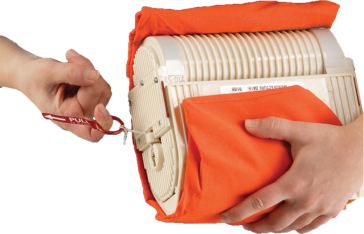
(fig.7) Example of an oxygen supply activation (photo from a PBE manufacturer)
Comfort of the PBE
Section titled “Comfort of the PBE”Chemical oxygen generators and CO2 absorber cartridges may emit heat due to the chemical reactions that occur. The moisture level of the mask may also increase due to the humidity from the userʼs exhalation. Therefore, the user should be prepared for this experience of a closed, relatively hot, and humid environment. However, excessive heat and humidity can be a sign of the device dysfunctioning and requires immediate PBE removal.
When to remove PBE
Section titled “When to remove PBE”The duration of use is limited to 15 minutes. The PBE must be removed as soon as the oxygen supply stops or a dysfunction of the PBE occurs.
Flight crew and cabin crew members must be aware of the signs that it is time to remove the PBE to prevent hypoxia. Typical signs of oxygen supply stoppage are: ● A rapid increase of temperature inside the hood ● An excessive humidity inside the hood ● Difficulty to take a full inhalation ● The PBE hood collapses around the head of the user ● The end-of-service indicator flashes red (if installed)
The signs showing that the oxygen supply stops may differ depending on the PBE model. They are listed in the user guide from the PBE manufacturer and should be known by all crewmembers.
At any time, the user must immediately remove the PBE if they feel any sign of hypoxia (low oxygen level in the blood) or hypercapnia (high CO2 level in the blood) like: ● Rapid breathing ● Difficult breathing ● Increased heart rate ● Confusion ● Headache ● Restlessness
Choosing a safe area to remove and stow the used PBE The PBE must be removed away from the source of smoke.
The user must be aware that oxygen may remain in their hair and clothes after the removal of the PBE and that used PBE may still generate oxygen for a period of time.
PBE must be removed and stowed away from a fire area to pre remaining or leaking oxygen from feeding the fire.
The PBE may remain hot after removal
Section titled “The PBE may remain hot after removal”Depending on the PBE model, the oxygen generator and CO2 absorber cartridge may remain hot after use. The crew members should avoid touching them until they are cooled down. Used PBE must not be reused
When removed, PBE must be considered as unserviceable. It must not be used again.
TRAINING CONSIDERATIONS
Section titled “TRAINING CONSIDERATIONS”PBE is used during emergency events and must be donned quickly. The context of an emergency event may create additional stress for the crew when trying to don the PBE. Therefore, it is essential that appropriate training is provided for the crew in order to mitigate such stress and improve overall performance and decision-making.
Detection of Hypoxia and Hypercapnia
Section titled “Detection of Hypoxia and Hypercapnia”During training, crews should be reminded about the physiological signs of hypoxia and hypercapnia. This will enable them to react appropriately by immediately removing their PBE at the first signs of hypoxia or hypercapnia.
Training on the Right PBE Models
Section titled “Training on the Right PBE Models”Crews must be trained on the specific PBE model(s) installed in the aircraft they are assigned to fly.
Flight and cabin crews should have access to the user guide from the PBE manufacturer. This will enable them to familiarize themselves with the PBE’s characteristics, limitations, and signs of oxygen supply stoppage.
Representativity of Training PBE
Section titled “Representativity of Training PBE”As per regulations, cabin crews and flight crews must be regularly trained on the use of PBE. Dummy PBE devices are usually used for training. They may have a similar shape and weight and simulate some features, however, they are not fully representative of the real PBE that the crews may use onboard the aircraft.
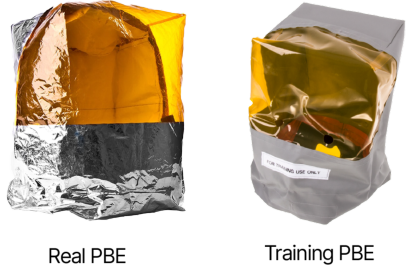
(fig.8) Training PBE may not be fully representative of the real device (photos from the PBE manufacturers)
Training PBE is usually already unfolded
Section titled “Training PBE is usually already unfolded”Training PBE is usually already removed from the vacuum/moisture resistance bag and container and unfolded. As a result, the trainees do not experience the actual opening of the PBE container and vacuum bag. Real PBE remains tightly folded in the vacuum bag for months and may need some effort to be unpacked and unfolded.
Training PBE can have a loose neck seal
Section titled “Training PBE can have a loose neck seal”Training PBE is reused many times. Despite having the possibility to replace the neck seal, it may not be as tight as a new unit.
Training PBE does not emit noise or heat
Section titled “Training PBE does not emit noise or heat”Training devices do not have an oxygen supply or a CO2 absorber. Therefore, the use of the training PBE does not provide a realistic experience of the sound of the oxygen supply and of the heat that may be generated by the chemical reaction(s) that occur in real PBE. This may create a startle effect and stress when the crew members use the PBE in a real situation, where they experience the sounds, heat, and relative discomfort for the first time.
Training PBE does not reproduce signs of the oxygen flow stoppage
Section titled “Training PBE does not reproduce signs of the oxygen flow stoppage”A training device cannot reproduce the specific signs that would indicate the need to remove the PBE.
To enhance the training aspects of PBE, units reaching the end of their shelf life and removed from aircraft may be used to complement the training and provide some experience with real units.
Contributors:
Section titled “Contributors:”Helge ANGERMEYER Maintenance Program Engineer Customer Support
Patrick BRICARD
Section titled “Patrick BRICARD”Senior Expert - Oxygen System Design Office
Claire COLEMAN
Section titled “Claire COLEMAN”Cabin Crew Instructor Flight Operation Support & Training Standards
Peter KAUL
Section titled “Peter KAUL”Cabin Crew Oxygen System Engineer Design Office
Fabien ROZEN
Section titled “Fabien ROZEN”Flight Operation Support Engineer Customer Support
With thanks to Xavier BARRIOLA, Bernard BESINET, Sunny GUPTA and Jordane SOULA from the Accident/Incident investigation team.
Protective Breathing Equipment (PBE) is needed in emergency situations, such as during fire or smoke events. PBE consists of a closed-circuit breathing system that removes the carbon dioxide from the userʼs exhaled air and provides oxygen for 15 minutes.
PBE devices are located in the cabin, cockpit, and crew rest areas. They are protected in a vacuum bag and stowed in a container. PBE usually has a 10-year service life from their manufacturing date, and must be replaced before their expiry date.
Regular checks must be done by maintenance personnel to check the integrity of PBE. In addition, the cabin crew and flight crew members should check the integrity of their PBE before the first flight of the day or before each flight depending on the operatorʼs policy and local regulations. Checks include the verification of the expiry date of the device, the condition of the PBE container and of its vacuum bag, either visually, or with the help of a serviceability or humidity indicator, tamper seal or tamper latch, where applicable.
When using PBE, specific attention must be paid to key steps, including:
-
Always put on, remove, or discard PBE away from a fire source
-
- Make sure that the PBE is correctly adjusted as specified in the manufacturerʼs instructions to ensure correct activation of the oxygen supply and correct operation
-
The user must remove the PBE as soon as the oxygen supply stops or a dysfunction of the PBE occurs
-
The user must remove the PBE immediately if they feel any sign of hypoxia (low oxygen level) or hypercapnia (high carbon dioxide level)
-
Never reuse a used PBE
During training, crews should be reminded about the physiological signs of hypoxia or hypercapnia. They must be trained on the specific PBE model(s) installed in the aircraft they are assigned to fly, and should have access to the user guide from the PBE manufacturer to familiarize themselves with the PBE’s characteristics, limitations, and signs of oxygen supply stoppage.
Dummy PBE used during regular crew training may not be fully representative of the real device that crew will use in the case of an emergency. The use of real PBE removed from an aircraft due to its close-to-expiry date may enable the trainees to observe the use of a real device. As a result, they would be better familiarized with PBE, if they need to use it in an emergency situation.
Safety first, 2025. Safety first is published by Airbus S.A.S. 1, rond point Maurice Bellonte - 31707 Blagnac Cedex/France.
Editor: Yannick Malinge, SVP AViation Safety.
Editorial team: Guillaume Estragnat, Javier Martinez Marina, Vanessa Sadi, Gwyneth Duggan, Agathe Sanz, Bruno Fargeon.
Photos by Airbus.
Source: Airbus Safety First URL: https://safetyfirst.airbus.com/focus-on-protective-breathing-equipment/ Published: 2025-11-21 Category: Cabin Ops, Flight Ops, Maintenance, CO2, fumes, hypercapnia, hypoxia, oxygen, PBE, smoke PDF: 原始 PDF
防护呼吸设备(PBE)可保护使用者的面部和呼吸系统免受热量、烟雾和有毒气体的侵害。据报告,空客收到了多起在役事件,在这些事件中,PBE未能按预期工作,或客舱乘务员在使用设备时遇到困难,或使用不当,从而影响了他们的安全。
本文档阐明了PBE的概念和特性。文档回顾了为确保PBE完整性和紧急情况下的安全使用所必须遵循的基本维护、运营和培训注意事项。
请在 safetyfirst.airbus.com 和适用于 iOS 和 Android 设备的 Safety First 应用程序上查看本文档的最新版本。
一架 A330 飞机在滑行至起飞跑道时,飞行机组在驾驶舱内注意到一股加热的沥青气味。外部气温为 38 °C。据报告,飞行机组怀疑气味来自加热的机场地面。机上共有 2 名飞行机组人员、10 名客舱乘务员和 223 名乘客。
初始爬升时出现强烈异常气味
Section titled “初始爬升时出现强烈异常气味”飞行机组在两个空调组件均关闭的情况下执行起飞,随后在初始爬升阶段将 2 号组件重新打开为 ON。不 久后,他们探测到一股”脏袜子”的气味。飞行机组再次将 2 号组件关闭为 OFF。气味随之消失。他们等待了 5 分钟,再次将 2 号组件打开为 ON。气味未再出现。随后不久,1 号组件被设置为 ON。
客舱内也出现暂时性异常气味
Section titled “客舱内也出现暂时性异常气味”客舱乘务员确认在初始爬升期间客舱内存在该气味,但也表示气味很快消失。
因客舱内感觉异常而返航
Section titled “因客舱内感觉异常而返航”当飞机到达 FL 340 时,多名客舱乘务员报告感觉眼部有灼热感和刺激感,并出现头痛。飞行机组决定执行空中返航。他们戴上氧气面罩并开始下降。
客舱内 PBE 的使用
Section titled “客舱内 PBE 的使用”多名客舱乘务员决定戴上他们的 PBE (图 1)。其中七人在使用 PBE 时遇到了困难:
- 他们中有数人发现很难打开 PBE 包装的真空袋。其中两人不得不用剪刀或刀子来打开袋子
- 用于启动供氧并固定面罩的两根绑带中有一根在某位客舱乘务员拉动时断裂
- 一名客舱乘务员用了三分钟才戴上 PBE,由于高温和颈部密封部位的紧绷感感到非常不适
- 数名客舱乘务员在使用 PBE 时感觉吸气困难
- 佩戴 PBE 的乘务员之间沟通困难
(图 1) 事件期间使用的 PBE 类型(照片由 PBE 制造商提供)
飞机在飞行两小时后安全着陆,乘客和机组人员均未报告受伤。
事件分析 气味的根本原因未被正式确认 维护人员执行的故障排除工作未正式确认气味的根本原因。PBE 的使用 CCOM 指出,防护呼吸设备(PBE)可保护使用者的面部和呼吸系统免受热量、烟雾和有毒气体的侵害。两件受损的 PBE 对事件中使用的 PBE 进行飞行后检查后发现,除了一件 PBE 上的绑带断裂外,另一件 PBE 的面罩上存在损坏,这种损坏不可能是因从真空袋中取出不当造成的。客舱乘务员对 PBE 的使用感到不适 尽管定期进行 PBE 使用培训,客舱乘务员在此情况下仍发现难以使用 PBE,这凸显了培训改进的潜在需求。延长使用 PBE 使部分客舱乘务员面临缺氧风险 两名客舱乘务员持续佩戴 PBE 直到着陆后,导致 PBE 的使用时间超过了 15 分钟的认证持续时间。虽然 PBE 用户未报告健康问题,但该事件凸显了加强客舱乘务员对 PBE 限制和延长使用潜在缺氧风险的认识的重要性。
PBE 设计
Section titled “PBE 设计”PBE,又称防烟面罩,设计用于在飞行机组执行飞行职责或灭火时保护其免受烟雾、二氧化碳及其他有害气体的伤害。PBE 存放于飞机客舱、驾驶舱及乘务员休息区的多个位置。
PBE 有多种型号。每种型号都有其特定参数,详见 PBE 制造商文件。然而,无论 PBE 类型如何,其基本原理都是类似的闭环呼吸系统 (图 2)。
(图 2) PBE 原理
每套 PBE 都包含一个覆盖使用者头部的 头罩,提供受保护的环境。颈部密封装置 确保头罩的气密性,防止烟雾、气体或烟雾进入头罩。
使用者呼出的二氧化碳由 二氧化碳吸收罐 清除。额外氧气供应通过 气态氧气瓶 或 化学氧气发生器 获取。根据 PBE 类型不同,氧气可直接送入头罩或通过防护面罩输送 (图 3)。使用者通常通过拉动启动拉环或拉绳来激活氧气供应。启动装置因 PBE 型号不同而有所差异。
PBE 仅可在有限时间内使用。 认证要求 PBE 提供氧气的时间为 15 分钟。
(图 3) 空客飞机可使用的各类 PBE(照片来源于 PBE 制造商)
PBE 存放
Section titled “PBE 存放”每套 PBE 均包装在 真空/防潮袋 中,以防潮防污 (图 4)。每个真空袋存放于 容器 内。容器和真空袋的完整性对于确保 PBE 可用至关重要。
(图 4) PBE 容器和真空/防潮袋示例(照片来源于 PBE 制造商)
部分 PBE 型号的容器上配有 可用性/状态指示器。其他 PBE 型号则配有 湿度指示器 (图 5)。
部分容器配有 防伪封条 或 防伪锁扣,以指示容器是否被打开过。
有限使用期限
Section titled “有限使用期限”PBE 通常使用寿命为 10 年(自生产日期起)。有效期标注在容器或真空袋上。
(图 5) 配备可用性/状态指示器和湿度指示器以及防伪封条或防伪锁扣的容器示例
维护注意事项
Section titled “维护注意事项”PBE 必须按照维护计划文件(MPD)的规定进行更换,不得超过有效期。
定期维护检查
Section titled “定期维护检查”PBE 必须按 MPD 规定的间隔进行检查。应遵循相关飞机维护手册(AMM)程序。
典型检查项目包括:
-
检查 PBE 有效期
-
检查 真空/防潮袋状况(如可见):袋体不得膨胀
-
检查 容器防伪封条或防伪锁扣状况(如已安装):如有损坏,AMM 可能要求打开容器以验证真空袋完整性,并更换损坏的防伪封条或防伪锁扣
-
检查 PBE 可用性/状态指示器(如安装在容器上)是否为绿色(若为红色,则真空已失效。必须更换 PBE)
-
检查 湿度指示器(如已安装)是否为蓝色(若为粉红色,必须更换 PBE)
-
● 检查 容器整体状况。
运营注意事项
Section titled “运营注意事项”客舱乘务员和飞行机组应在每次飞行前或每日首班飞行前(取决于航空公司政策和当地法规),检查飞机上可用 PBE 的状况。包括检查客舱和驾驶舱内的 PBE。
应执行的典型检查包括:
-
检查 PBE 有效期:如已过期,应通知维护人员
-
● 检查 真空袋状况(如可见):袋体不得膨胀
-
检查 容器防伪封条或防伪锁扣状况(如已安装):如有损坏,应通知维护人员
-
● 检查 PBE 可用性/状态指示器(如安装在容器上)是否为绿色。若为红色,则真空袋已失效。应通知维护人员:必须报废 PBE
-
● 检查 湿度指示器(如已安装)是否为蓝色(若为粉红色,应通知维护部门:必须报废 PBE)
-
● 检查 容器整体状况。
客舱乘务员和飞行机组必须 熟悉其执飞飞机上配备的 PBE 的特性,以便了解在飞行前检查中需要验证哪些项目。
PBE 使用
Section titled “PBE 使用”遵守 PBE 制造商的程序对于确保 PBE 的安全使用至关重要。以下是使用 PBE 时需要记住的一些关键信息:
所有机组人员,包括飞行机组和客舱乘务员,必须熟悉其所飞飞机上配备的 PBE 的使用方法。
选择安全区域佩戴 PBE
Section titled “选择安全区域佩戴 PBE”与任何供氧设备一样,佩戴 PBE 时必须考虑火灾风险。
由于佩戴过程中设备外部可能发生氧气泄漏,使用者必须在远离火源的区域佩戴 PBE。
展开 PBE
Section titled “展开 PBE”PBE 在真空/防潮袋中紧紧折叠保存数月,可能需要用力才能打开。开启 PBE 容器和真空/防潮袋时,建议保持双手干燥,因为这可能需要一定的力量。
撕拉片(也称为撕开条,通常为红色)必须被拉动才能打开真空袋**(图 6)**。可能存在指示拉动方向的箭头,以方便开启。根据 PBE 类型的不同,可能需要进行特定的展开动作。
(图 6) PBE 真空袋示例,带有便于开启的撕拉片
PBE 使用者必须熟悉其所飞飞机上配备的 PBE 的拆包和展开方法,以确保及时佩戴并防止设备损坏。
PBE 调节
Section titled “PBE 调节”颈密封圈需要撑开才能佩戴 PBE。这可能需要一定的力量。
正确佩戴 PBE 并调节颈密封圈至关重要,以确保设备的密封性。任何穿过颈密封圈的头发都会影响气密性,并可能导致氧气泄漏或烟雾进入防护罩内。因此,使用者必须确保所有头发都在防护罩内。
对于配备此技术的 PBE,正确调节面罩同样重要,以确保氧气供应和二氧化碳清除正常工作。
正确调节 PBE 对确保安全防护至关重要。
氧气供应启动
Section titled “氧气供应启动”根据 PBE 类型的不同,氧气供应可在佩戴前、佩戴期间或佩戴后启动。氧气供应的启动方式可能是手动的**(图 7)**或自动的,取决于 PBE 类型。启动后,氧气供应会产生噪音,这是由于氧气在防护罩内流动所致,尤其是在启动后不久。这种噪音表明氧气供应已被激活。根据氧气生成类型的不同,此初始阶段后噪音可能消失。使用者应注意氧气启动的时间,并检查使用时长。
(图 7) 氧气供应启动示例(PBE 制造商照片)
PBE 舒适度
Section titled “PBE 舒适度”化学氧气发生器和二氧化碳吸收盒可能因发生的化学反应而释放热量。面罩的湿度也可能因使用者呼气中的水分而增加。因此,使用者应做好准备,体验这种密闭、相对炎热和潮湿的环境。然而,过度的热量和湿度可能是设备故障的迹象,需要立即取下 PBE。
何时取下 PBE
Section titled “何时取下 PBE”使用时长限制为 15 分钟。一旦氧气供应停止或 PBE 发生故障,必须立即取下 PBE。
飞行机组和客舱乘务员必须了解需要取下 PBE 的迹象,以防止缺氧。氧气供应停止的典型迹象包括:● 防护罩内温度迅速升高● 防护罩内过度潮湿● 难以进行完整吸气● PBE 防护罩在使用者头部周围塌陷● 使用结束指示灯闪烁红色(如已安装)
氧气供应停止的迹象可能因 PBE 型号而异。这些信息列在 PBE 制造商的用户指南中,所有机组人员都应了解。
在任何时候,如果使用者感觉到缺氧迹象(血液中氧气含量低)或高碳酸血症迹象(血液中二氧化碳含量高),必须立即取下 PBE,例如:● 呼吸急促● 呼吸困难● 心率加快● 意识混乱● 头痛● 烦躁不安
选择安全区域取下并存放使用过的 PBE
必须在远离烟雾来源的地方取下 PBE。
使用者应了解,在取下 PBE 后,氧气可能仍残留在头发和衣物上,且使用过的 PBE 可能在一段时间内继续产生氧气。
必须在远离火源的地方取下并存放 PBE,以防止残留或泄漏的氧气助燃火势。
取下后 PBE 可能仍然发烫
Section titled “取下后 PBE 可能仍然发烫”根据 PBE 型号的不同,氧气发生器和 CO2 吸收筒在使用后可能仍然保持高温。机组人员应避免触碰这些部件,直至冷却。已使用的 PBE 不得重复使用
取下后,PBE 必须被视为不适用。不得再次使用。
培训注意事项
Section titled “培训注意事项”PBE 用于紧急事件,必须快速佩戴。紧急事件的场景可能会在机组人员尝试佩戴 PBE 时增加额外压力。因此,提供适当的培训对于减轻此类压力、提高整体表现和决策能力至关重要。
缺氧与高碳酸血症的识别
Section titled “缺氧与高碳酸血症的识别”培训期间,应提醒机组人员注意缺氧和高碳酸血症的生理体征。这将使他们能够在出现缺氧或高碳酸血症的最初迹象时立即做出适当反应,及时摘下 PBE。
正确型号 PBE 的培训
Section titled “正确型号 PBE 的培训”机组人员必须接受所飞机型安装的特定 PBE 型号的培训。
飞行机组和客舱机组应可获取 PBE 制造商的用户指南。这将使他们能够熟悉 PBE 的特性、限制和供氧停止的迹象。
培训用 PBE 的代表性
Section titled “培训用 PBE 的代表性”根据规章要求,客舱机组和飞行机组必须定期接受 PBE 使用培训。培训通常使用模拟 PBE 装置。它们可能具有相似的形状和重量,并模拟某些功能,但并不能完全代表机组人员可能在机上使用的真实 PBE。
(图 8) 培训用 PBE 可能无法完全代表真实装置(图片来源:PBE 制造商)
培训用 PBE 通常已展开
Section titled “培训用 PBE 通常已展开”培训用 PBE 通常已从真空/防潮袋和容器中取出并展开。因此,受训人员不会体验到实际打开 PBE 容器和真空袋的过程。真实 PBE 在真空袋中长时间保持紧折叠状态,可能需要一定的力气才能取出和展开。
培训用 PBE 的颈部密封可能较松
Section titled “培训用 PBE 的颈部密封可能较松”培训用 PBE 被多次重复使用。尽管可以更换颈部密封,但其密封性可能不如新装置那样紧密。
培训用 PBE 不会产生噪音或热量
Section titled “培训用 PBE 不会产生噪音或热量”培训装置没有氧气供应或 CO2 吸收功能。因此,使用培训 PBE 无法提供真实体验到氧气供应的声音,以及真实 PBE 中发生的化学反应所产生的热量。当机组人员在真实情况下使用 PBE 时,他们首次体验到声音、热量和相关不适,这可能会产生惊吓效应和压力。
训练用PBE无法复现供氧停止的征象
Section titled “训练用PBE无法复现供氧停止的征象”训练设备无法复现需要取下PBE的具体征象。
为增强PBE培训效果,临近货架寿命到期并从飞机上拆除的装置可用于补充培训,让学员获得接触真实装置的经验。
Helge ANGERMEYER 维护项目工程师 客户支持
Patrick BRICARD
Section titled “Patrick BRICARD”高级专家 - 氧气系统设计办公室
Claire COLEMAN
Section titled “Claire COLEMAN”客舱乘务教员 飞行运行支持与培训标准
Peter KAUL
Section titled “Peter KAUL”客舱乘务氧气系统工程师 设计办公室
Fabien ROZEN
Section titled “Fabien ROZEN”飞行运行支持工程师 客户支持
特别感谢 Accident/Incident investigation team 的 Xavier BARRIOLA、Bernard BESINET、Sunny GUPTA 和 Jordane SOULA。
防护呼吸设备(PBE)在紧急情况下是必需的,例如在火灾或烟雾事件中。PBE由一个闭式呼吸系统组成,该系统清除使用者呼出空气中的二氧化碳,并提供15分钟的氧气供给。
PBE装置位于客舱、驾驶舱和机组休息区。PBE被真空包装保护,并存放在容器中。PBE从生产日期起通常有10年的使用寿命,必须在到期日前更换。
维护人员必须定期检查PBE的完整性。此外,客舱乘务员和飞行机组应根据运营人的政策和当地法规,在每日首个航班前或每个航班前检查其PBE的完整性。检查包括验证装置的有效期、PBE容器及其真空包装的状态,可通过目视检查,或在适用情况下借助可用性指示器或湿度指示器、防篡改封条或防篡改卡扣进行。
使用PBE时,必须特别注意以下关键步骤,包括:
-
始终在远离火源的地方佩戴、取下或丢弃PBE
-
确保按照制造商说明正确调整PBE,以保证氧气供给正确启动和正确操作
-
一旦氧气供给停止或PBE发生故障,使用者必须立即取下PBE
-
如果感到任何缺氧(氧含量低)或高碳酸血症(二氧化碳含量高)的征象,使用者必须立即取下PBE
-
切勿重复使用已使用过的PBE
培训期间,应提醒机组注意缺氧或高碳酸血症的生理征象。他们必须接受所飞机型安装的具体PBE型号的培训,并应能获取PBE制造商的用户指南,以熟悉PBE的特性、限制和供氧停止的征象。
常规机组培训中使用的模拟PBE可能无法完全代表紧急情况下机组将使用的真实装置。使用因接近有效期而从飞机上拆除的真实PBE,可以让学员观察真实装置的使用。因此,如果需要在紧急情况下使用PBE,他们将能更好地熟悉PBE。
Safety first,2025年。Safety first由空中客车股份有限公司出版,地址:法国布拉尼亚克,31707,Maurice Bellonte环路1号。
编辑:Yannick Malinge,航空安全高级副总裁。
编辑团队:Guillaume Estragnat, Javier Martinez Marina, Vanessa Sadi, Gwyneth Duggan, Agathe Sanz, Bruno Fargeon。
照片由空中客车提供。