A320 Family cargo Containers/pallets movement
Source: Airbus Safety First URL: https://safetyfirst.airbus.com/a320-family-cargo-containers-pallets-movement/ Published: 2014-07-24 Category: Ground Ops, Maintenance, Cargo, CLS, container, latch,, load, loading, pallet, ULD, XZ, YZ PDF: Original PDF
No crew likes the idea of Unit Load Devices (ULD – containers and pallets) moving around in the cargo holds of their aircraft during flight. This type of occurrence may have multiple causes. This article, first published in July 2014, has been updated in April 2026.
Check the latest version of this article on safetyfirst.airbus.com and on the Safety first app for iOS and Android devices.
CASE STUDY
Section titled “CASE STUDY”Event Description
Section titled “Event Description”Sous sous titre (Heading 3)
Section titled “Sous sous titre (Heading 3)”An A321 flight crew reported hearing loud noises coming from the cargo hold during the approach and landing phases.
Once on the ground, inspection of the forward cargo hold revealed no damage to the cargo linings, but all container restraining XZ latches were lowered.
Investigation concluded that the XZ latches were not correctly locked before takeoff. The container that was loaded in the cargo hold was therefore not locked in position. It moved during the approach and landing phase, causing the noise that was heard by the flight crew.
A320 FAMILY CARGO LOADING SYSTEM
Section titled “A320 FAMILY CARGO LOADING SYSTEM”The standard A320 family cargo hold is configured for bulk loading only, however, around 20 percent of the fleet is equipped with the optional semi-automatic Cargo Loading System (CLS).
The CLS is an electrically powered system that moves the ULDs in the aircraft cargo hold. The main goal is to reduce manpower and loading/unloading time.
The CLS is composed of several components, which can be grouped according to their intended functions (fig.1) :
-
Guidance , thanks to entrance guides on each side of the cargo entrance, and YZ guides located along each side of the cargo holds.
-
Transport and Conveyance , performed by Power Drive Units (PDU) that push ULDs on the ball mat area and on the roller tracks.
-
Restraint of ULDs, ensured by XZ latches , installed on the centre roller track.
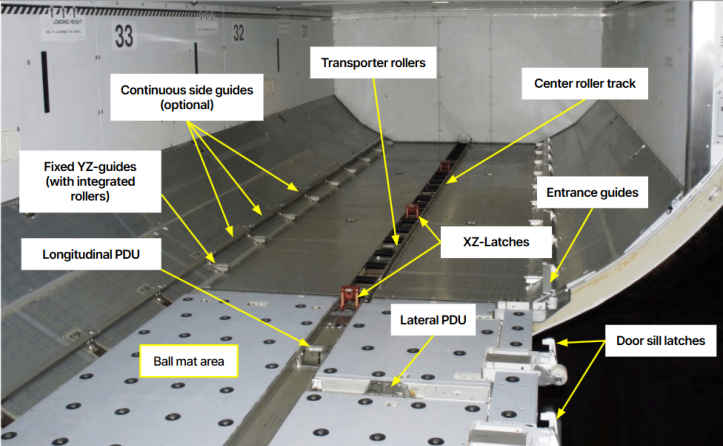
(fig.1) A320 Family CLS components
Restraint of ULDs
Section titled “Restraint of ULDs”The ULDs are maintained in position by XZ latches, which consist of an aluminium frame and a pair of spring-loaded interlocking pawls.
If the outside pawl is lifted up, the inside pawl extends and locks automatically. Conversely, if the inside pawl is depressed into the retracted position, the outside pawl automatically folds down (fig.2).
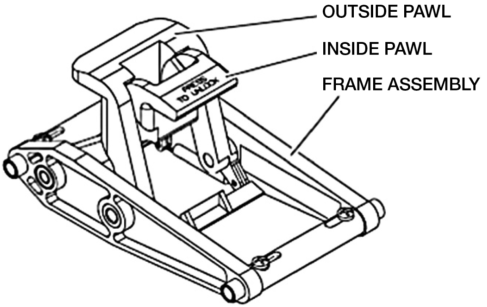
(fig.2) XZ latch 2842T100 series
Once each ULD is in position, the loading procedures call for these XZ latches to be raised and locked manually (fig.3).
(fig.3) XZ latch manual operation
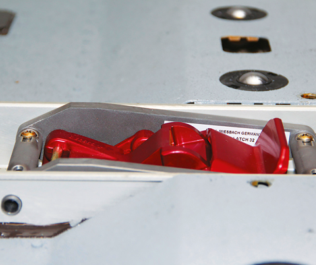
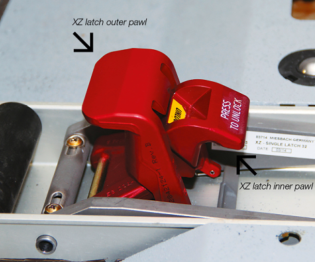
XZ latch in down position XZ latch in intermediate position (not yet locked)
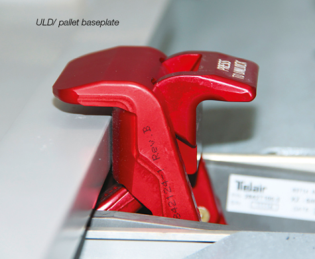
XZ latch raised and locked Interface with ULD/ pallet baseplate
Each ULD is then restrained by one XZ latch on each side of their baseplate or by one latch and one end-stop for those located at the borders of each hold (fig.4).
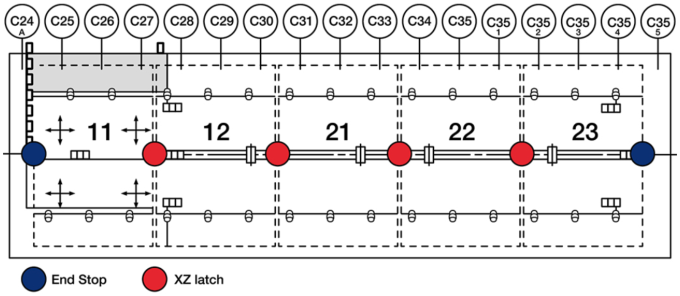
(fig.4) A321 FWD cargo hold, ULD, XZ latches and End stops positions
ULD movements are rare occurrences on A330, A310, A330, A340, A350 and A380 aircraft, because most loading configurations call for 2 latches on each side of the ULD baseplates. Moreover, the wide body aircraft often fly with fully loaded cargo holds.
AVOIDING ULD MOVEMENTS
Section titled “AVOIDING ULD MOVEMENTS”Several causes of unwanted ULD movement have been identified based on the events reported by operators.
XZ Latch Not Raised or Not Correctly Locked
Section titled “XZ Latch Not Raised or Not Correctly Locked”If the loader does not raise up the latch or does not properly lock it into position, the container / pallet will not be restrained in the X (flight) direction and will therefore move freely.
Prevention means:
Section titled “Prevention means:”- Awareness
The Weight and Balance Manual (WBM, chapters CTL-LIM) and Aircraft Maintenance Manual (AMM, chapter 25-52) specify that loaders must raise and properly lock all latches, regardless of whether the positions are empty or not.
● Design improvement
Section titled “● Design improvement”If the outside pawl is lifted up, the inside pawl extends and locks auto matically.
A weak spring may not extend the inner pawl enough when the outside pawl is lifted up, leaving the latch in an intermediate (unlocked) position. The design improvement calls for an increased spring force.
This design equally calls for the addition of an easily visible yellow indicator when the latch is in an intermediate position, i.e. not raised enough to be in the locked position ( fig.5 and 6 ).
This latch (Part Number 2842T100-3) has been introduced in production from MSN 0573 onwards (Feb 1996) and is proposed through the Illustrated Parts Catalogue (IPC) as an alternative.
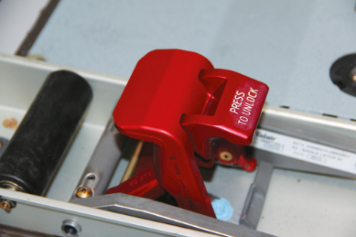
(fig.5) Latch correctly locked: the yellow indicator is not visible
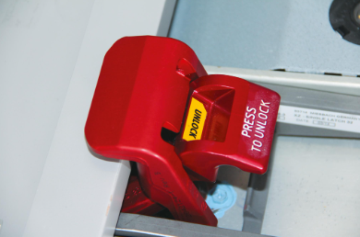
(fig.6) Latch in intermediate position, not correctly locked: the yellow indicator is visible
Damaged Latch
Section titled “Damaged Latch”An inoperative or damaged XZ latch may as well lead to ULD movements.
Prevention means:
Section titled “Prevention means:”The following A320 Family Maintenance Planning Document (MPD) tasks call for visual and operational checks of the XZ Latches:
| ● | Task 255000-11: “Visual check of the XZ latches and door sill latches” |
|---|---|
| Interval: 12 months or 1000 FH. |
-
Task 255000-02:”Perform Operational Check and Detailed Inspection of XZ-Latches ” Interval: 72 months or 8000 FH.
-
A third task requests a detailed inspection of the latch after removal. The removal of the part allows for an easier inspection, especially regarding the spring condition.
| ● | Task 255000-25: “Remove XZ latches for detailed inspection” Interval |
|---|---|
| 180 month or 24000 FH. |
Interference Between the ULD Baseplate and the XZ Latch
Section titled “Interference Between the ULD Baseplate and the XZ Latch”Damaged, deformed, or non-standard ULD baseplates may also impair the proper functioning of the latch.
Prevention means:
Section titled “Prevention means:”| ● | ULDs should comply with National Aerospace Standards (NAS) 3610 |
|---|---|
| and IATA specifications during their entire lifetime. |
-
ULDs should be loaded in accordance with the WBM.
-
Airbus highly encourages airlines to clean their cargo hold to avoid debris that could interfere between the ULD baseplate and the XZ latch, as recommended in Task 12-21-12-100-007-A ”Cleaning of the Cargo-Compartment Floor Areas”.
Object falling from an ULD
Section titled “Object falling from an ULD”An object falling from an improperly closed container/pallet on the inner pawl could lead to a latch disengagement.
This scenario is excluded when the cargo is fully loaded. In such a case, both pawls of every XZ latch are blocked by the adjacent ULD baseplate.
Prevention means:
Section titled “Prevention means:”To mitigate this risk, a specific loading procedure is recommended when cargo holds are not fully loaded. This recommendation, described in the ISI 25.50.00004, remains identical for all holds and aircraft types. Its application will ensure that the inner pawl of the latch, i.e. the movable pawl, will always be blocked by the adjacent ULD/ pallet baseplate (fig.7).
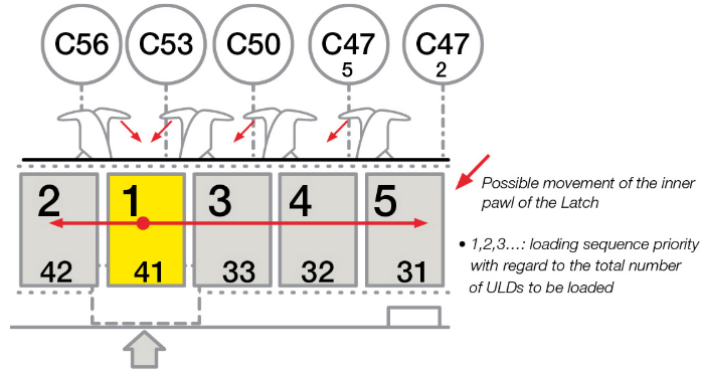
(fig.7) Recommended A321 AFT cargo hold loading sequence
The below (fig.8) illustrates, when two containers are loaded in positions 41 and 42, how the inner pawls of the latches are blocked by adjacent containers, making any disengagement impossible.
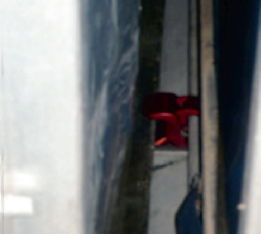
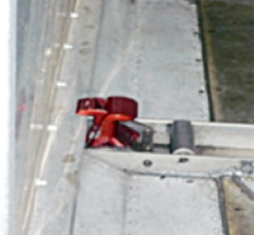
(fig.8) Latches in locked position after loading
Latch at frame C56 between Latch at frame C53 behind ULDs at position 42 and 41 ULD at position 41
Even if all cargo holds positions are not used, all XZ-latches must be raised. This will prevent accidental movement of a ULD, if ULD latches become defective during flight.
FEEDBACK TO AIRBUS
Section titled “FEEDBACK TO AIRBUS”Airbus encourages operators to communicate any suspected or confirmed case of ULD movement by means of a specifically designed reporting sheet, available in ISI 25.50.00004 and has been specifically produced to facilitate the search for the root cause of the movement.
Additional information can be found in the ISI 25.50.00004 “Cargo Loading System (CLS) / Latch & Unit Load Devices / Correct Latching & ULD Movements Prevention” article available on the AirbusWorld portal
Contributors:
Section titled “Contributors:”Anthony LABONNE
Section titled “Anthony LABONNE”Cabin & Cargo - Mechanical Equipment In Service Engineering Customer Services
Nicolas DENEVE
Section titled “Nicolas DENEVE”Product Leader Cargo Compartment Cabin & Cargo Mechanical Equipment In Service Engineering Customer Services
Initial Contributors: Frederic DANA, Nicolas MERLIN and Coraline BABUT.
A320 Family operators regularly report cargo hold ULD movements during flights.
Most of these highly undesirable occurrences…
…can be attributed to one of these four causes:
-
A latch not raised or not correctly locked
-
A damaged latch
-
Interference between a ULD baseplate and a latch
-
An object falling from an ULD, which unlocks a latch
-
…and could be avoided by:
-
Following the recommended loading procedures
-
Using only standardized containers and pallets
-
Filling them according to specifications
-
Applying the documented inspection tasks
-
Regularly cleaning the cargo holds.
To minimize the number of improperly locked XZ latches, a new design has been developed with a stronger spring and a clear visual indication to confirm whether the latch is properly locked.
To help Airbus develop new prevention means, operators are encouraged to communicate all cases of ULD movements during flight by means of a specifically designed reporting sheet available in ISI 25.50.00004.
Safety first, 2026. Safety first is published by Airbus S.A.S. 1, rond point Maurice Bellonte - 31707 Blagnac Cedex/France.
Editor: Yannick Malinge, SVP Aviation Safety.
Editorial team: Guillaume Estragnat, Javier Martinez Marina, Vanessa Sadi, Eliza Pal, Gwyneth Duggan, Agathe Sanz, Bruno Fargeon.
Photos by Airbus.
来源:Airbus Safety First 网址:https://safetyfirst.airbus.com/a320-family-cargo-containers-pallets-movement/ 发布日期:2014-07-24 类别:地面操作、维修、货物、CLS、集装箱、卡扣、装载、装载中、托盘、ULD、XZ、YZ
没有机组人员愿意看到集装设备(ULD——集装箱和托盘)在飞行过程中在货舱内移动。这类事件可能有多种原因。本文最初发表于 2014 年 7 月,已于 2026 年 4 月更新。
请在 safetyfirst.airbus.com 以及适用于 iOS 和 Android 设备的安全优先(Safety First)应用程序上查看本文最新版本。
副标题(三级标题)
Section titled “副标题(三级标题)”一架 A321 航班机组报告称在进近和着陆阶段听到货舱传来巨大噪音。
飞机落地后,对前货舱进行检查,发现货舱内衬没有损坏,但所有集装箱约束 XZ 卡扣均处于放下状态。
调查结论:XZ 卡扣在起飞前未正确锁定。因此,装载在货舱中的集装箱未被固定在位,在进近和着陆阶段发生了移动,从而被机组人员听到。
A320 系列货物装载系统
Section titled “A320 系列货物装载系统”标准 A320 系列货舱配置为纯散装装载,但约 20% 的机队配备了可选的半自动货物装载系统(CLS)。
CLS 是一种电动系统,用于在飞机货舱内移动 ULD。主要目的是减少人力和装卸时间。
CLS 由多个组件组成,可按其预期功能进行分组**(图 1)**:
-
引导:依靠货舱入口两侧的入口导轨,以及沿每个货舱两侧布置的 YZ 导轨。
-
传输与输送:由动力驱动装置(PDU)执行,将 ULD 推动通过球垫区域和滚轮轨道。
-
ULD 约束:由安装在中央滚轮轨道上的 XZ 卡扣实现。
(图 1) A320 系列 CLS 组件
ULD 约束
Section titled “ULD 约束”ULD 通过 XZ 卡扣保持在位,XZ 卡扣由铝合金框架和一对弹簧加载的互锁爪扣组成。
如果抬起外侧爪扣,内侧爪扣会自动伸出并锁定。相反,如果将内侧爪扣按下至缩回位置,外侧爪扣会自动放下**(图 2)**。
(图 2) XZ 卡扣 2842T100 系列
每个 ULD 到达位置后,装载程序要求手动抬起并锁定这些 XZ 卡扣**(图 3)**。
(图 3) XZ 卡扣手动操作
XZ 卡扣处于放下位置 XZ 卡扣处于中间位置(尚未锁定)
XZ 卡扣抬起并锁定 ULD/托盘底板接口
每个 ULD 随后由其底板两侧各一个 XZ 卡扣固定,或对于位于每个货舱边缘的 ULD,由一个卡扣和一个端部止动器固定**(图 4)**。
(图 4) A321 前货舱,ULD、XZ 卡扣和端部止动器位置
在 A330、A310、A330、A340、A350 和 A380 飞机上,ULD 移动是罕见事件,因为大多数装载配置要求在 ULD 底板的每侧使用 2 个卡扣。此外,宽体飞机通常以满载货舱飞行。
避免 ULD 移动
Section titled “避免 ULD 移动”根据运营商报告的事件,已确定出意外 ULD 移动的几个原因。
XZ 卡扣未抬起或未正确锁定
Section titled “XZ 卡扣未抬起或未正确锁定”如果装载人员未抬起卡扣或未正确将其锁定在位,集装箱/托盘将无法在 X(飞行)方向上受到约束,因此可以自由移动。
- 意识提升
重量与平衡手册(WBM,CTL-LIM 章节)和飞机维修手册(AMM,25-52 章节)规定,无论位置是否为空,装载人员必须抬起并正确锁定所有卡扣。
● 设计改进
Section titled “● 设计改进”如果抬起外侧爪扣,内侧爪扣会自动伸出并锁定。
弱弹簧可能无法在抬起外侧爪扣时将内侧爪扣伸出足够距离,使卡扣处于中间(未锁定)位置。设计改进要求增加弹簧力。
该设计同样要求在卡扣处于中间位置(即抬起高度不足以进入锁定位置)时,添加易于观察的黄色指示器**(图 5 和 6)**。
此卡扣(零件号 2842T100-3)已从 MSN 0573 起(1996 年 2 月)投入生产,并通过图解零件目录(IPC)作为替代件提供。
(图 5) 卡扣正确锁定:黄色指示器不可见
(图 6) 卡扣处于中间位置,未正确锁定:黄色指示器可见
失效或损坏的XZ锁扣同样可能导致ULD移动。
以下A320系列维护计划文件(MPD)任务要求对XZ锁扣进行目视检查和操作检查:
| ● | 任务 255000-11:“XZ锁扣和门槛锁扣的目视检查” |
|---|---|
| 间隔:12个月或1000飞行小时。 |
-
任务 255000-02:“执行XZ锁扣的操作检查和详细检查” 间隔:72个月或8000飞行小时。
-
第三项任务要求在拆下锁扣后进行详细检查。拆下部件后更容易进行检查,特别是关于弹簧状态的检查。
| ● | 任务 255000-25:“拆下XZ锁扣进行详细检查” 间隔 |
|---|---|
| 180个月或24000飞行小时。 |
ULD底板与XZ锁扣之间的干扰
Section titled “ULD底板与XZ锁扣之间的干扰”损坏、变形或非标准的ULD底板也可能影响锁扣的正常功能。
| ● | ULD在其整个使用周期内应符合国家航空航天标准(NAS)3610 |
|---|---|
| 和国际航空运输协会(IATA)规范。 |
-
ULD的装载应按照WBM执行。
-
空客强烈建议航空公司清洁货舱,以避免碎屑干扰ULD底板与XZ锁扣之间的工作,如任务12-21-12-100-007-A“货舱地板区域清洁”中所建议。
ULD上物体坠落
Section titled “ULD上物体坠落”从未正确关闭的集装箱/托盘上坠落的物体可能落在内侧爪上,导致锁扣脱开。
当货物满载时,此场景可排除。在这种情况下,每个XZ锁扣的两个爪都被相邻的ULD底板阻挡。
为降低此风险,建议在货舱未满载时采用特定的装载程序。该建议在ISI 25.50.00004中有详细描述,适用于所有货舱和飞机类型。应用此程序将确保锁扣的内侧爪(即活动爪)始终被相邻的ULD/托盘底板阻挡 (图7)。
(图7) A321后货舱推荐装载顺序
下图 (图8) 说明了当两个集装箱装载在41和42位置时,锁扣的内侧爪如何被相邻集装箱阻挡,使任何脱开都不可能发生。
(图8) 装载后锁扣处于锁定位置
C56框处锁扣 ULD在41和42位置的ULD后面 C53框处锁扣在ULD在41位置后面
即使所有货舱位置都未使用,所有XZ锁扣也必须升起。这样可以防止在飞行中ULD锁扣发生故障时ULD意外移动。
空客鼓励运营商通过专门设计的报告表(可在ISI 25.50.00004中获得)报告任何疑似或确认的ULD移动案例,该报告表专门用于促进查找移动根本原因。
更多信息请参阅ISI 25.50.00004“货舱装载系统(CLS)/锁扣与单元装载设备/正确锁止与ULD移动预防”,该文章可在AirbusWorld门户网站上获取。
Anthony LABONNE
Section titled “Anthony LABONNE”客舱与货舱 - 现场工程客户服务 机械设备
Nicolas DENEVE
Section titled “Nicolas DENEVE”货舱客舱机械设备产品负责人 现场工程 客户服务
初始贡献者:Frederic DANA、Nicolas MERLIN和Coraline BABUT。
A320系列运营商经常报告货舱ULD在飞行中发生移动。
这些极其不良的事件大多数…
…可归因于以下四个原因之一:
-
锁扣未升起或未正确锁止
-
锁扣损坏
-
ULD底板与锁扣之间的干扰
-
ULD上物体坠落,导致锁扣解锁
-
…可通过以下方式避免:
-
遵循推荐的装载程序
-
仅使用标准化的集装箱和托盘
-
按规范装载货物
-
执行规定的检查任务
-
定期清洁货舱。
为减少XZ锁扣未正确锁止的数量,已开发出新型设计,采用更强的弹簧和清晰的视觉指示,以确认锁扣是否正确锁止。
为帮助空客开发新的预防措施,运营商被鼓励通过ISI 25.50.00004中提供的专门设计的报告表,报告所有飞行中ULD移动案例。
Safety first,2026年。Safety first由空中客车股份有限公司出版。1, rond point Maurice Bellonte - 31707 法国布拉尼亚克。
编辑:Yannick Malinge,航空安全高级副总裁。
编辑团队:Guillaume Estragnat、Javier Martinez Marina、Vanessa Sadi、Eliza Pal、Gwyneth Duggan、Agathe Sanz、Bruno Fargeon。
照片由空客提供。